
Reviewed · COMMUNIST & YUGOSLAV HISTORY TOURS
Belgrade: Yugoslavia Communist tour
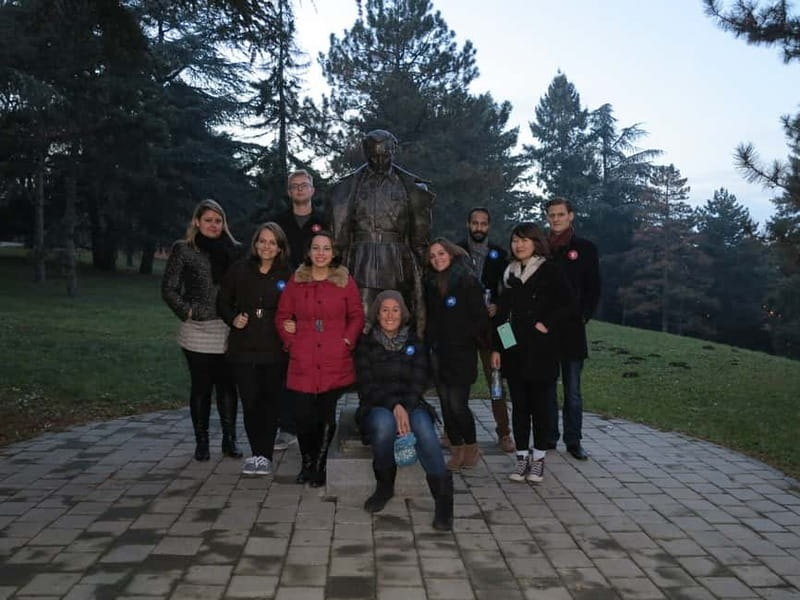
Tito still shapes the way Belgrade tells its story. This three-hour tour connects Yugoslavia’s communist past with World War II, the breakup of the country, and the NATO bombing of 1999. I like the mix of city sightseeing and museum time, and I especially like that the Museum of Yugoslavia entry and public transport are included. The main consideration is pace: three hours covers a lot, so you will hear plenty of history without having long periods to explore each stop alone.
I also like the human scale of the experience. Guides such as Milan, Mihailo, Michael, and Stefan have earned repeated praise for clear explanations, strong preparation, and an easy way with questions. The subject can turn political quickly, and one practical warning is worth noting: group discussion may sometimes pull attention away from Tito and the communist period.
In This Review
- Key points to know before you go
- Why this Belgrade tour works
- Prince Mihailo Monument and the first city clues
- Nikola Pašić Square and the National Assembly
- Kneza Miloša and the marks of political change
- Public transport to the Museum of Yugoslavia
- The Museum of Yugoslavia and Tito’s public image
- House of Flowers, Tito’s mausoleum
- NATO bombing sites and the conflicts of the 1990s
- How much value do you get for $23?
- Who should book this experience?
- Final verdict: a strong choice for modern history
- FAQ
- How long does the Belgrade Yugoslavia Communist tour last?
- What language is the tour conducted in?
- Where does the tour meet?
- Is entry to the Museum of Yugoslavia included?
- Does the tour visit Tito’s mausoleum?
- Is public transport included?
- What should I bring?
- Can I cancel the booking?
Key points to know before you go
- Tito’s story is the heart of the tour: Learn about Josip Broz Tito, his rule, his public image, and the gifts presented to him by kings, presidents, and prime ministers.
- The Museum of Yugoslavia is included: You visit the museum and the House of Flowers, Tito’s mausoleum and resting place.
- The route begins in central Belgrade: Prince Mihailo Monument, Nikola Pašić Square, the National Assembly, and Kneza Miloša provide the setting for the early part of the story.
- The tour covers difficult recent history: Expect discussion of the conflicts of the 1990s, NATO’s 1999 bombing of Serbia and Montenegro, and the democratic changes that followed.
- Public transport is part of the plan: Two short rides help connect central Belgrade with the Museum of Yugoslavia.
- The price is modest for what is included: At $23 per person, the museum ticket, transport tickets, and three hours of guiding make this a useful choice for history-minded visitors.
Why this Belgrade tour works
Belgrade can be hard to read at first. Austro-Hungarian traces, Ottoman remains, royal Yugoslav buildings, socialist monuments, and scars from the 1990s all share the same city. A normal walking tour may point out the sights, but it may not explain how they fit together.
This experience gives you a political timeline as you move through the city. You begin with public monuments and government buildings, then travel to the Museum of Yugoslavia, where the focus turns more directly to Tito and daily life under the socialist system. That structure makes sense. You first see the places where power was displayed, then visit a museum built around the leader and state he shaped.
The tour is conducted in English with a live guide. The strongest part is the guide’s role. You are not simply reading labels or looking at old buildings. You can ask why Yugoslavia followed a different path from the Soviet Union, how Tito built his public image, or how memories of the 1990s still affect Serbia.
Milan is repeatedly singled out for packing a great deal of information into the three hours while keeping the talk engaging. Mihailo is praised for his passion, preparation, and ability to answer questions. Michael and Stefan also receive warm comments for making the subject approachable. Since the exact guide may vary, expect an experienced English-speaking guide rather than a guaranteed individual host.
Other tours covering the Yugoslav decades:
- Red Belgrade Communist Tour
★ 4.8 · 301 reviews - Red Belgrade Communist Tour
★ 5.0 · 78 reviews - Communist Tour in Belgrade
★ 4.5 · 19 reviews
Prince Mihailo Monument and the first city clues
The meeting point is the Prince Mihailo Monument, an easy central reference point in Belgrade. Look for the BWT guide carrying a yellow umbrella. That detail matters because the square can be busy, and a clear visual marker saves time at the start.
The monument itself belongs to an earlier chapter of Serbian history, but it works well as the opening point for a tour about Yugoslavia. From here, the guide begins placing modern Serbia in context. You will likely hear how national identity, royal rule, war, socialism, and the later breakup of Yugoslavia overlap rather than form neat separate chapters.
The first stop includes about ten minutes for a visit, a photo stop, and explanation. Do not expect a long lecture here. The value is in getting your bearings before the tour moves toward the government district.
Nikola Pašić Square and the National Assembly
The walk to Nikola Pašić Square takes about twenty minutes and combines sightseeing with commentary. This part of the tour is useful because the streets themselves become evidence of changing governments and public power.
At Nikola Pašić Square, you get a longer look at the city’s political center. The guide uses the area to explain the transition from the wartime period into socialist Yugoslavia and the role of Belgrade as the federal capital. The square is also a practical place to see how monumental public space was used to express authority.
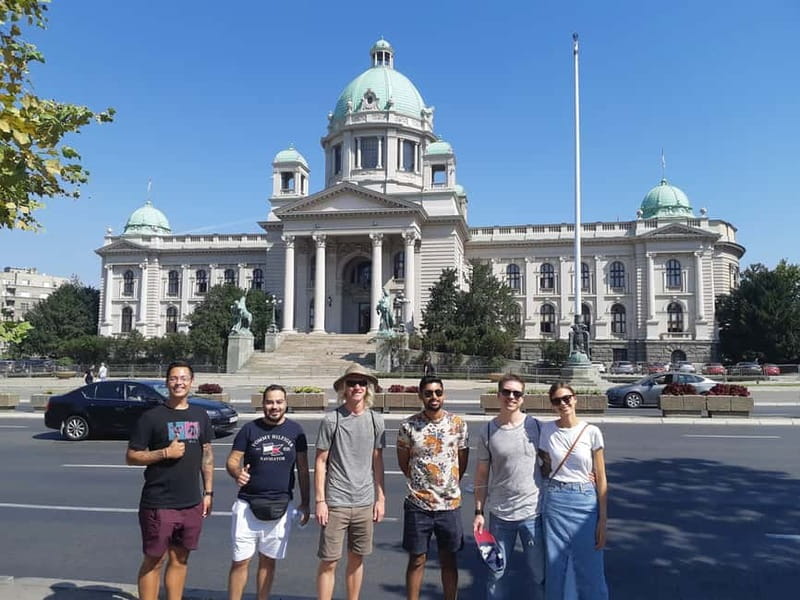
The National Assembly of the Republic of Serbia follows, with around ten minutes for photographs and explanation. The building helps show the difference between Serbia’s national institutions and the wider federal structure of Yugoslavia. For someone unfamiliar with the region, that distinction is important. Yugoslavia was not simply another name for Serbia, and the tour’s early city stops help make that clear.
These stops are short, so you will not have much time to study architectural details. I would treat them as visual chapters in the story rather than full architectural visits.
Kneza Miloša and the marks of political change
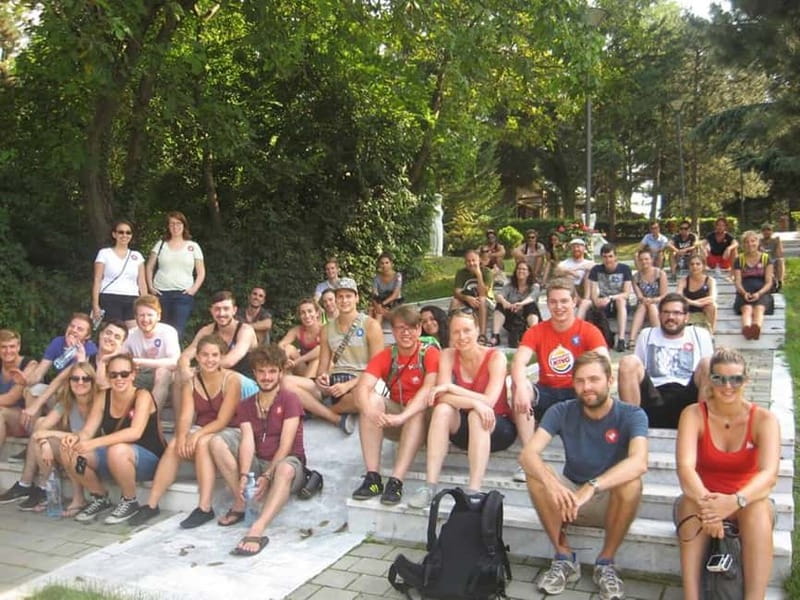
The route continues along Kneza Miloša, with roughly fifteen minutes of guided sightseeing followed by another shorter section of about ten minutes. This road is tied to Belgrade’s political life, and the guide uses it to connect official buildings and public events with the larger story of the Yugoslav state.
This is also where the tour may feel most like a traditional city walk. You are moving through streets, stopping for photographs, and listening as the guide links what you see to World War II, Tito’s government, the conflicts of the 1990s, and the changes that came at the start of the new millennium.
The experience is strongest if you arrive with a little patience for names and dates. The subject is not simple. Tito’s Yugoslavia had a communist political system, yet it followed its own path after breaking with Stalin. The country promoted a distinct form of socialism, opened more to foreign travel than many Eastern Bloc states, and played a major role in the Non-Aligned movement.
You will also hear about the Youth relay baton, a large political and cultural ritual linked to Tito’s birthday and the ideal of youth loyalty to the state. Details like this are valuable because they show how political messages entered ordinary public life, not just government offices.
A couple more Belgrade trips to weigh up
- From Belgrade: Novi Sad & Sremski Karlovci Full-Day Tour
★ 4.7 · 1,068 reviews - From Belgrade: Gems of Eastern Serbia Tour
★ 5.0 · 427 reviews - Northern Serbia: Sremski Karlovci and Novi Sad Full-Day Tour from Belgrade
★ 5.0 · 425 reviews - Day Trip from Belgrade: Gems of Eastern Serbia
★ 5.0 · 424 reviews
Public transport to the Museum of Yugoslavia
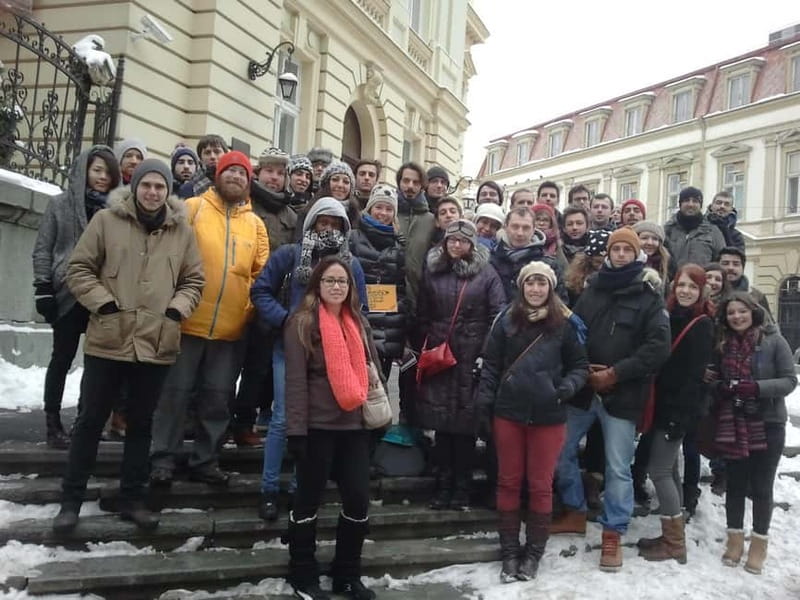
A public transport ride of about ten minutes connects the central city with the Museum of Yugoslavia. Tickets are included, so you do not need to work out the fare or route while trying to follow the guide.
This short ride changes the rhythm of the afternoon. The first part is an urban walk through central Belgrade. The second part focuses on the museum complex and Tito’s legacy. You should wear comfortable shoes, since the tour includes walking, standing, outdoor sightseeing, and museum time.
The tour operates rain or shine. Bring a light rain layer if the forecast looks doubtful, since several stops take place outside and the schedule does not simply move indoors when the weather turns.
The Museum of Yugoslavia and Tito’s public image
The Museum of Yugoslavia receives about an hour, making it the main attraction of the tour. Your entry ticket is included, and the group does not need to buy a separate museum ticket on arrival.
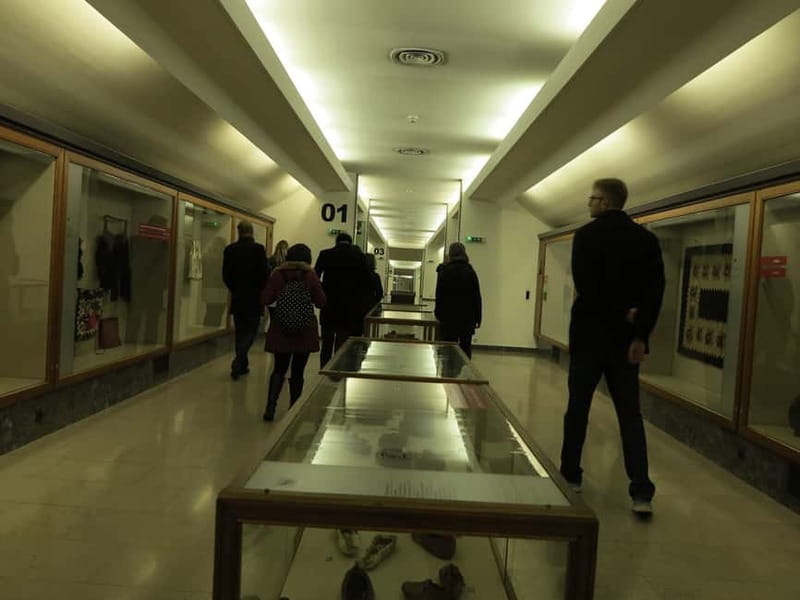
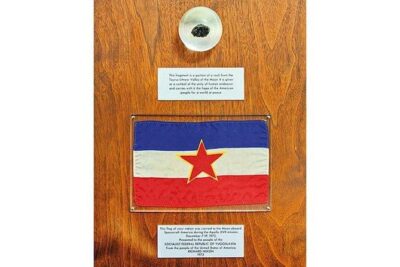
The museum helps explain how Yugoslavia presented itself at home and abroad. One of the most interesting subjects is Tito’s position as the country’s lifetime president and the way foreign leaders treated him. The collection includes gifts given to Tito by kings, presidents, and prime ministers from around the world.
Those objects are more than souvenirs. They show Yugoslavia’s international connections and Tito’s role in the Non-Aligned movement, which brought together countries that did not want to line up fully with either the United States or the Soviet Union. For you, the gifts offer a concrete way to understand a diplomatic story that can otherwise feel abstract.
The museum also gives the guide room to discuss daily life under Yugoslav socialism. The tour description emphasizes life in Yugoslavia rather than only political leaders, so you can expect attention to the state’s symbols, rituals, and public culture. The Youth relay baton is one especially memorable example of how Tito’s image was carried across the country.
You should not expect the museum to explain every part of Yugoslav life in one hour. It is better understood as the tour’s central case study. The guide supplies the background, while the exhibits give you objects and places to connect with that story.
House of Flowers, Tito’s mausoleum
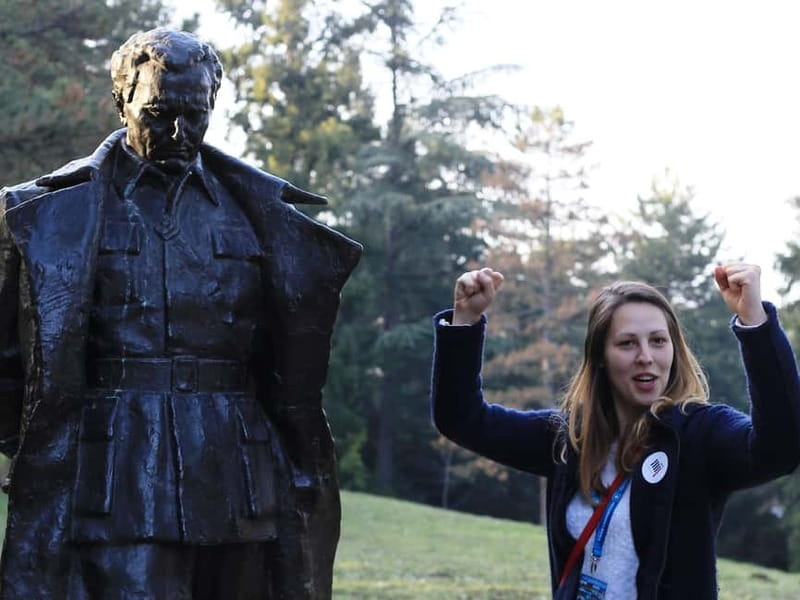
A major highlight is the House of Flowers, which serves as Tito’s mausoleum and resting place. For many people, this is the most emotionally charged stop because it is not only a museum display. It is a memorial to the man who governed Yugoslavia for decades.
The site gives you a chance to think about the gap between official memory and later debate. Tito remains one of the most disputed figures in the region. Some remember stability, international influence, and a shared Yugoslav identity. Others focus on political control and the limits of life under a one-party system.
A good guide does not force one simple answer. Mihailo and Milan are praised for handling questions well, and that matters here. You may want to ask how Tito is remembered in Serbia today, how the museum presents him, or why people from different former Yugoslav republics can view him so differently.
The House of Flowers is also the clearest reason to choose this tour over a standard Belgrade sightseeing walk. You are not just passing a building connected to Yugoslavia. You are visiting the final resting place of the country’s most powerful political figure.
NATO bombing sites and the conflicts of the 1990s
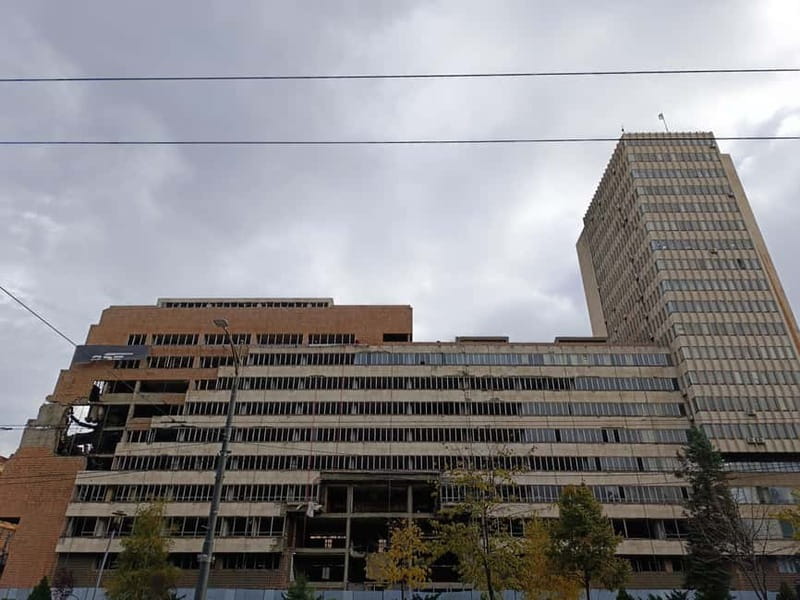
After the museum, the tour returns by public transport, with the ride taking about fifteen minutes. The route includes remaining signs of NATO attacks and other places connected to the 1990s conflicts and the 1999 bombing of Serbia and Montenegro.
This section brings the story into living memory. The older parts of the tour deal with events that may feel distant, but the damaged buildings and surviving traces of the bombing make the recent past harder to keep at arm’s length.
You should expect a serious tone here. The subject is politically sensitive, and personal views can enter the conversation. One useful approach is to listen for the guide’s explanation of events and ask clear questions rather than expecting a single official interpretation.
The tour also covers the democratic changes at the beginning of the third millennium. That gives the final part a broader frame. You are not left with only the image of a country in conflict. You also hear about the political changes that followed the fall of the old order and the end of the twentieth century.
The exact amount of time spent at each remaining site can depend on the group and the guide. The route description gives clear timings for the main stops, but it does not promise a long, separate visit at every NATO-related location. Think of these sites as part of the guided narrative rather than a museum-style examination of each damaged building.
How much value do you get for $23?
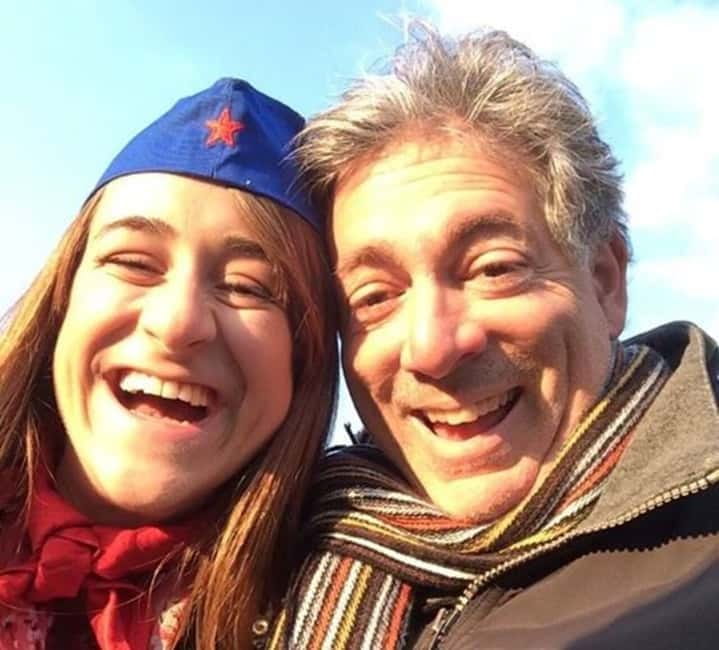
At $23 per person, this is fairly priced for a three-hour experience that includes a professional English-speaking guide, museum admission, and public transport. If you visited the Museum of Yugoslavia on your own, you would still need to build the historical connections yourself. Here, the ticket is bundled with a structured explanation.
The value is especially good if you are interested in modern European history, political change, or the former Yugoslavia. You get a city walk, transport between districts, an hour at a major museum, and discussion of events from World War II through the early 2000s.
The price is less compelling if you want a relaxed sightseeing outing with plenty of free time. The tour is information-heavy, and the schedule is tight. You will move between several stops, so some people may prefer a shorter tour focused only on Tito or the museum.
The strongest return comes from asking questions. Guides have been praised for answering them, and the subject offers plenty to ask about: the Non-Aligned movement, the Youth relay baton, Tito’s foreign relationships, life under communism, the wars of the 1990s, and NATO’s 1999 intervention.
Who should book this experience?
I would recommend this tour to anyone who wants to understand Belgrade beyond its fortress, rivers, and cafés. It suits history lovers, students, first-time visitors trying to understand the region, and anyone with an interest in twentieth-century politics.
It is also a good choice if you are unsure how much time to give the Museum of Yugoslavia. The guide gives the collection a larger frame, and the visit to the House of Flowers adds a personal and political focus.
You may want to choose something else if you dislike group discussion about war and politics. The tour deals with painful subjects, and conversation can sometimes shift toward individual political opinions. It is also not ideal for visitors who want a slow museum visit, since the museum portion lasts about one hour within a larger three-hour route.
Comfortable shoes are essential. You will walk through central Belgrade, stand at outdoor stops, use public transport, and spend substantial time at the museum. Since it runs in all weather, dress for the forecast.
Free cancellation is available up to 24 hours before the start, and you can reserve now and pay later. Those options are useful if your Belgrade plans are still changing, but the real practical detail is the yellow umbrella at the Prince Mihailo Monument.
Final verdict: a strong choice for modern history
I would book this tour if I wanted a clear introduction to Yugoslavia and did not want to assemble the story from separate museums and landmarks. The combination of central Belgrade, public transport, the Museum of Yugoslavia, House of Flowers, Tito’s international role, and NATO bombing sites gives you a useful three-hour outline.
The guides are the deciding factor, and the repeated praise for Milan, Mihailo, Michael, and Stefan suggests that the experience depends on people who care about the subject. You should book it if you want context, questions answered, and a frank look at both the appeal and the problems of Yugoslavia.
If you prefer quiet sightseeing or a narrow focus, the pace and political discussion may feel like too much. For most history-minded visitors, though, $23 is a sensible way to make sense of Belgrade’s most complicated modern chapter.
FAQ
How long does the Belgrade Yugoslavia Communist tour last?
The tour lasts three hours, including walking, public transport, sightseeing, and the visit to the Museum of Yugoslavia.
What language is the tour conducted in?
The live guided tour is conducted in English.
Where does the tour meet?
The meeting point is the Prince Mihailo Monument in central Belgrade. Look for the BWT guide with a yellow umbrella.
Is entry to the Museum of Yugoslavia included?
Yes. The entrance ticket to the Museum of Yugoslavia is included in the tour price.
Does the tour visit Tito’s mausoleum?
Yes. The Museum of Yugoslavia visit includes the House of Flowers, which is Tito’s resting place.
Is public transport included?
Yes. Tickets for the public transport used during the tour are included.
What should I bring?
Bring comfortable shoes. The tour includes walking and outdoor sightseeing, and it takes place rain or shine.
Can I cancel the booking?
You can cancel up to 24 hours in advance for a full refund. You can also reserve now and pay later.
Just added in Belgrade
- Your Own Belgrade: Street Art and Hidden Gems Walking Tour★ 5.0 · 2 reviews
- Private Half Day Serbia Tour Novi Sad and Petrovaradin Fortress★ 5.0 · 3 reviews
- 3-Hour Belgrade Zemun Neighborhood Tour★ 5.0 · 8 reviews
- Private Belgrade Street Art and Adventures Walking Tour★ 5.0 · 4 reviews
- Private Wine Tasting by Party in Belgrade★ 5.0 · 3 reviews
- From Belgrade:Uvac Nature Reserve Tour★ 5.0 · 4 reviews
- Urban & Alternative Belgrade tour★ 5.0 · 4 reviews
- VIP Reservation Service in Belgrade★ 5.0 · 2 reviews
Communist & Yugoslav History Tours, compared.

Space architecture tour – brutalist architecture
Read our review →
Private 4 Hours Space Architecture Tour in Belgrade
Read our review →
Browse the lists this tour appears in