Reviewed · BELGRADE TOURS
Underground Secrets of Belgrade
Belgrade keeps secrets underground. This tour links a 51-meter Roman Well, a Cold War bunker, an Austrian gunpowder storehouse, and an old wine cellar in one compact outing. I like the unusual mix of military, Roman, and wine history, and I like that a glass of wine is included at the end. The main drawback is physical: steep, narrow stairs, uneven ground, and limited handrails can make parts of the tour hard.
You meet at Republic Square and finish near Branko’s Bridge, so the route also gives you a useful walk across central Belgrade. Guides such as Michael, Stefan, and Milan have earned praise for their enthusiasm and subject knowledge, but English ability and group audibility may vary. Ask questions early, stay close to the guide, and think twice if you have trouble with stairs.
In This Review
- Key points to know before booking
- Why Belgrade’s underground makes a good history lesson
- Starting at Republic Square and reaching the fortress
- The Roman Well and its strange spiral design
- The Cold War bunker that never served its purpose
- Barutana, a gunpowder storehouse turned stone display
- Karađorđeva and the city’s old storage cellars
- What the guides add to the experience
- Stairs, sound, and who should skip it
- Price, timing, and overall value
- Should you book Underground Secrets of Belgrade?
- FAQ
- Where does the tour begin?
- Where does the tour end?
- How long does Underground Secrets of Belgrade last?
- Is the tour offered in English?
- Is wine included?
- Is the tour suitable for people with limited mobility?
Key points to know before booking
- The Roman Well reaches 51 meters underground, with two spiral staircases connecting around 35 meters down.
- A never-used Cold War bunker adds a modern military chapter beneath the Belgrade Fortress.
- Barutana is a man-made 16th-century cave, now displaying Roman and Byzantine stonework.
- The final stop is a 19th-century wine cellar, where you receive a free glass of wine.
- The group can reach 20 people, which may affect how clearly you hear the guide underground.
- Steep stairs and uneven floors require care, especially for older people or anyone with limited mobility.
Why Belgrade’s underground makes a good history lesson
Belgrade is often introduced through its rivers, cafés, fortress walls, and busy central streets. This tour shifts your attention below street level, where the city’s past feels more physical and less polished. You move through spaces built for water, weapons, storage, protection, and trade.
That variety is the real appeal. You are not spending two and a half hours looking at one type of ruin. Instead, the tour moves from an 18th-century fortress feature to a mid-20th-century bunker, then back through older military and Roman remains before ending with wine.
The price is $24.06 per person. For that amount, you receive about two hours and 30 minutes with an English-speaking guide, admission to the paid sites, and a glass of wine. I consider that fair value if you enjoy historical places that are atmospheric rather than grandly restored. The tour is less convincing if you want long visits at major monuments or a detailed walking tour of the streets above ground.
The group limit of 20 is worth noting. A smaller group would make the underground explanations easier to follow, but 20 is still manageable if everyone stays together. In a cave or bunker, sound can bounce off the walls, so standing near the guide matters.
A couple more Belgrade trips to weigh up
- From Belgrade: Novi Sad & Sremski Karlovci Full-Day Tour
★ 4.7 · 1,068 reviews - From Belgrade: Gems of Eastern Serbia Tour
★ 5.0 · 427 reviews - Northern Serbia: Sremski Karlovci and Novi Sad Full-Day Tour from Belgrade
★ 5.0 · 425 reviews
Starting at Republic Square and reaching the fortress
The tour begins at Republic Square, at Trg Republike 3. This is a practical meeting point in central Belgrade, close to public transportation and easy to pair with other sightseeing. You should arrive ready to walk, since the experience ends in a different part of town at Karađorđeva 31.
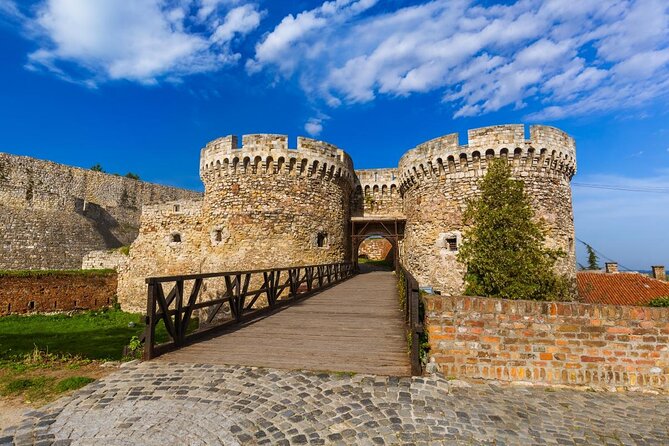
The first stop is the Belgrade Fortress, where the underground section lasts about one hour. That time includes the Roman Well and the Cold War bunker. The fortress itself is one of Belgrade’s major historic areas, but this experience focuses on the spaces below and within it rather than giving you a broad tour of every wall, gate, and viewpoint.
I like this opening because it sets up the city’s strategic importance without relying only on panoramic views. Belgrade has long been shaped by its position, and underground structures show how people dealt with water, attack, storage, and danger in practical ways.
The route may also include walking between the underground sites. One useful improvement would be more commentary during those transitions. If you want a guide who explains the city around you as you walk, make that clear at the start. The strongest guides on this experience appear to put their energy into the sites themselves.
The Roman Well and its strange spiral design
The Roman Well is the tour’s most memorable stop. Despite its name, the structure was built at the beginning of the 18th century during the baroque rebuilding of the fortress. It reaches 51 meters down and measures about three meters across.
Its unusual feature is the pair of spiral staircases. They connect at roughly 35 meters below ground, creating a shape compared with DNA. That design gives the well more character than a simple vertical shaft, but it also explains why the visit is physically demanding.
You may hear the story of Alfred Hitchcock’s 1964 visit. He reportedly found the setting appealing, which makes sense: the narrow stairways, depth, and enclosed stone walls create a naturally dramatic atmosphere. You do not need to be a film enthusiast to appreciate why the place caught his eye.
The Roman Well is not a comfortable museum experience. You are dealing with a confined historic structure, not a wide path with displays and handrails at every turn. The stairs are steep and narrow, and some sections may have no handrail. Uneven surfaces add another layer of caution.
If you are tall, older, unsteady on stairs, or uncomfortable in tight spaces, treat this stop as the deciding factor. The supplied information says most people can participate, but that broad statement should not be read as a promise of easy access. Wear shoes with a firm grip and avoid bringing anything that makes climbing awkward.
The guide’s explanation is important here. The structure can look like a curious hole in the ground without context. A good guide helps you understand why it was built, how it fits into the fortress, and what makes its stair arrangement unusual. Michael has been praised for bringing strong enthusiasm and a large amount of historical information to the fortress section. That kind of guide can turn a short visit into the highlight of your afternoon.
The Cold War bunker that never served its purpose
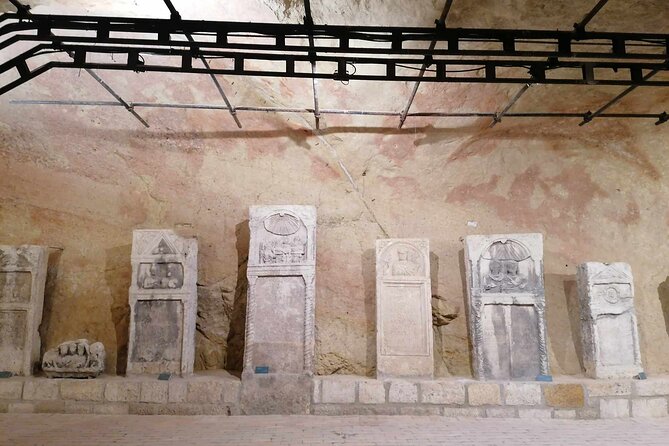
The next part of the fortress visit shifts from early-modern construction to the 1950s and the Cold War. The military bunker was built for a purpose but never used for that original role.
That detail gives the stop its interest. A bunker does not need a battle story to be worthwhile. Its existence reflects a period when military planning and fear of conflict shaped buildings across Europe. Here, you get a physical reminder of that tense era under a fortress with much older roots.
The contrast works well. One moment you are dealing with a deep well and spiral stairs. Then you enter a space tied to the political and military anxieties of the mid-20th century. I like that the tour does not treat Belgrade’s past as one continuous medieval story. It shows how the city kept adapting its defenses long after the oldest walls were built.
Still, the bunker section depends heavily on the guide. The room itself may not offer much visual detail, especially since it was never used for its original purpose. If the explanation is hard to hear, the stop could feel brief or plain.
This is where group size and English fluency matter. One participant found it difficult to understand much of the guide because his English was very basic. Another found the guide excellent and full of useful historical detail. The sensible approach is to confirm that you can hear and understand the guide before the group moves too far into the underground areas.
Out of the city, and a slower way to spend the day:
- Day Trip from Belgrade: Gems of Eastern Serbia
★ 5.0 · 424 reviews - Belgrade: Sunset Cruise with Live Guide
★ 4.4 · 418 reviews - Belgrade: Underground Tour with Riverside Sparkling Wine
★ 4.8 · 411 reviews - Western Serbia 1-Day Tour of the Key Sites from Belgrade
★ 4.8 · 333 reviews
Barutana, a gunpowder storehouse turned stone display
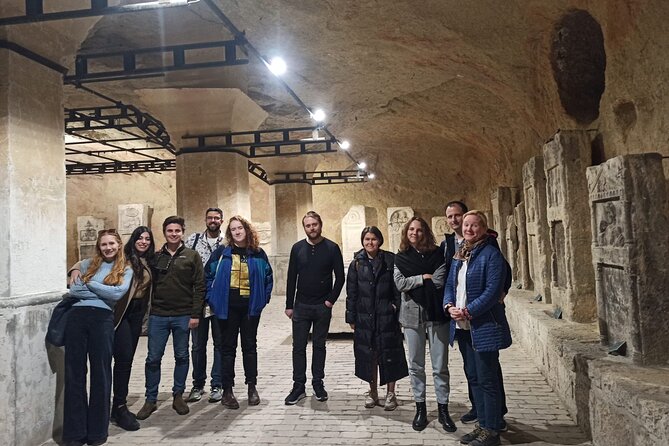
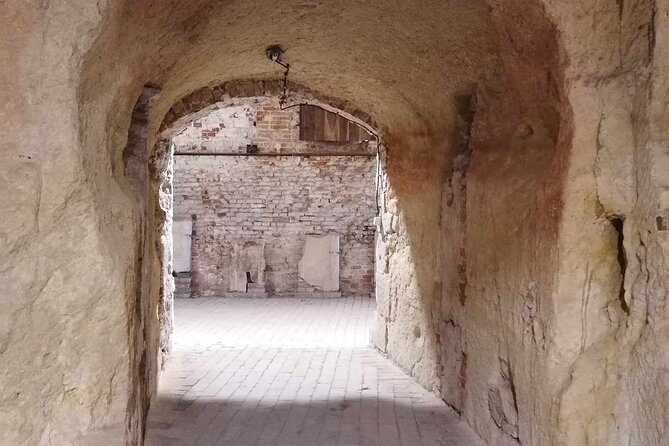
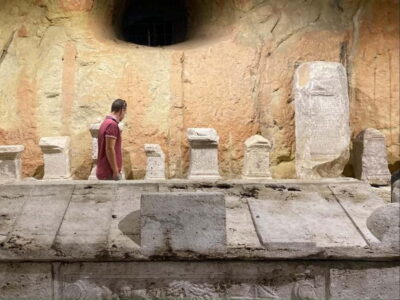
From the fortress, the tour continues to Barutana, an Austrian gunpowder storehouse also known as Barutana. This man-made cave dates from the 16th century and gives the tour another change of mood.
Barutana is not presented only as an empty military chamber. Its display room, called the Lapidarium, contains Byzantine and Roman sarcophagi, gravestones, and statues. These pieces help connect the military site to the much older civilizations that shaped the area.
The visit lasts about 30 minutes. That is enough time for a focused look, but not enough for a slow museum-style examination of every object. I would pay close attention to the guide’s explanations of the stonework, since the meaning of a sarcophagus or fragment can be easy to miss when you are seeing it outside its original setting.
This stop may appeal most to you if you enjoy archaeology in atmospheric surroundings. The cave itself is part of the experience. It is a built underground space, not a natural cavern, and that distinction matters because it shows how people altered the fortress area for military use.
The physical warnings continue here. You should expect uneven ground and possibly narrow passageways. The tour is not a good fit for anyone who needs consistently level flooring or frequent seating.
Karađorđeva and the city’s old storage cellars
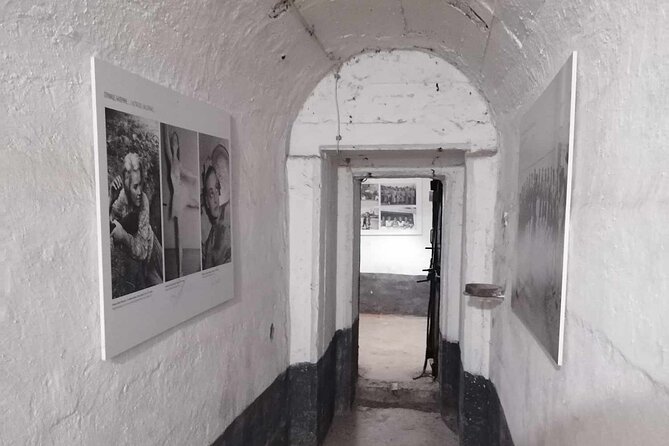
The final section takes place in Karađorđeva and lasts about 45 minutes. Here you visit caverns used to store food and a wine cellar from the 19th century.
This stop changes the mood again. The fortress and Barutana focus on defense, weapons, and stone remains. Karađorđeva brings you closer to the daily business of keeping food and wine in good condition. Storage spaces may seem ordinary, but they explain how an urban center handled supplies before modern refrigeration and large commercial warehouses.
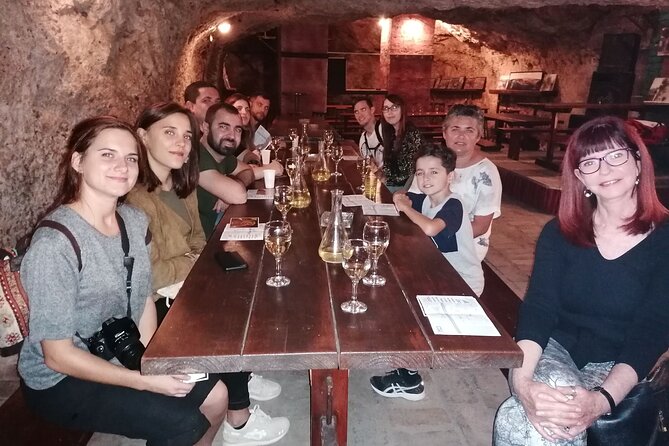
The ending is deliberately social. You receive a free glass of wine at the winery, Vinarija, at Karađorđeva 31, close to Branko’s Bridge. I like this finish because it gives you time to pause after the stairs and enclosed rooms. It also makes the tour feel connected to Belgrade’s present-day food and drink culture rather than ending on a purely military note.
The wine is included, while personal expenses are not. That means you should budget separately for anything else you order or buy. The supplied details do not specify the wine selection, tasting format, or food pairing, so I would treat the glass as a pleasant closing touch rather than a full winery visit.
The end point is useful for continuing your day. You are not returned to Republic Square, so plan your next move from Karađorđeva. The location near Branko’s Bridge places you close to another central part of Belgrade, but the tour does not include onward transport.
What the guides add to the experience
A good guide is especially important on this tour because many of the spaces are sparse. You may see a stairway, stone wall, bunker room, or carved object, but the story explains why it matters.
Michael received the strongest praise for his work at the fortress. His enthusiasm and steady stream of historical information appear to be a major strength. Stefan has also been praised for giving a clear general introduction to Belgrade and for knowing the sites well.
Milan’s explanations at the underground attractions were appreciated, though more information during the walks between stops would have improved the experience. That is a useful expectation to carry with you: the tour’s main interpretation may happen inside the sites, while the connecting walks may be quieter.
English delivery can vary. One very negative experience came from a participant who understood less than half of the guide’s explanation. That does not mean every departure has the same problem, but it is a real risk when the tour depends so much on spoken history.
If your guide speaks too softly, politely ask to move closer. In a group of up to 20, this small choice can make a big difference. You may also want to ask questions at the end of each stop instead of waiting until the group has moved on.
Stairs, sound, and who should skip it
The physical demands deserve plain treatment. The Roman Well includes steep, narrow stairs, and the route can involve uneven ground with limited or no handrails. One older couple in their late 70s found the tour very difficult, even though they felt the guide did his best.
The listing says most people can participate, but the specific conditions matter more than that general statement. I would choose another activity if you have serious balance problems, significant knee trouble, or difficulty climbing narrow stairs. The tour may also be uncomfortable if you dislike enclosed spaces.
Hearing is another practical concern. There is no audio system for the group, and underground rooms can make voices harder to follow. Stay near the guide and let the guide know if you cannot hear. A group of 20 is not huge, but it is large enough for the back of the group to miss details.
The tour is offered in English. If you book it for the history rather than just the atmosphere, English comprehension should be one of your priorities. The best parts depend on explanations about construction, military use, and the objects in the Lapidarium.
Price, timing, and overall value
At $24.06, the tour is priced below many large guided city experiences. You get about 150 minutes, admission fees, a professional guide, and a free glass of wine. I think that is solid value for anyone who would otherwise pay separately to enter the underground sites.
The value is less about the number of stops and more about access to places you might not easily understand on your own. The Roman Well and Barutana are not simply photo stops. Without context, their purpose and design can be unclear.
The tour is booked, on average, 23 days ahead, so you should reserve early if your Belgrade dates are fixed. Free cancellation is available until 24 hours before the start time. Changes or cancellations made inside that window are not accepted for a refund.
The schedule is compact, but do not expect a relaxed café-paced outing. You move between several underground locations, climb stairs, listen in echoing rooms, and finish with wine. Allow yourself extra time afterward if you want a meal or another activity.
Should you book Underground Secrets of Belgrade?
I would book this tour if you enjoy unusual historic spaces, military stories, archaeology, and a little atmospheric discomfort. The Roman Well is the clear star, while Barutana adds worthwhile Roman and Byzantine stonework. The Cold War bunker gives the route a modern edge, and the wine cellar provides an easygoing finish.
I would skip it if you need smooth paths, reliable handrails, or a guide who uses an audio system. I would also be cautious if you are booking mainly for a polished, highly scripted English presentation.
For the best chance of enjoying it, wear sturdy shoes, stay close to the guide, and ask about the stair conditions before you begin. If the guide is Michael or Stefan, you may get especially strong historical commentary. Either way, this is a good choice for curious visitors who want to see a less familiar side of Belgrade and are comfortable trading comfort for access.
FAQ
Where does the tour begin?
The tour begins at Republic Square, at Trg Republike 3 in Belgrade, Serbia.
Where does the tour end?
It ends at the winery Vinarija, at Karađorđeva 31, near Branko’s Bridge.
How long does Underground Secrets of Belgrade last?
The experience lasts approximately two hours and 30 minutes.
Is the tour offered in English?
Yes. The tour is offered in English.
Is wine included?
Yes. A free glass of wine is included at the end of the visit to the 19th-century wine cellar.
Is the tour suitable for people with limited mobility?
The tour may be difficult for people with limited mobility because it includes steep, narrow stairs, uneven ground, and sections with no handrails. The group can include up to 20 people, and there is no audio system for the spoken explanations.
Just added in Belgrade
- Your Own Belgrade: Street Art and Hidden Gems Walking Tour★ 5.0 · 2 reviews
- Private Half Day Serbia Tour Novi Sad and Petrovaradin Fortress★ 5.0 · 3 reviews
- 3-Hour Belgrade Zemun Neighborhood Tour★ 5.0 · 8 reviews
- Private Belgrade Street Art and Adventures Walking Tour★ 5.0 · 4 reviews
- Private Wine Tasting by Party in Belgrade★ 5.0 · 3 reviews
- From Belgrade:Uvac Nature Reserve Tour★ 5.0 · 4 reviews
- Urban & Alternative Belgrade tour★ 5.0 · 4 reviews
- VIP Reservation Service in Belgrade★ 5.0 · 2 reviews
Belgrade Tours, compared.
Northern Serbia: Sremski Karlovci and Novi Sad Full-Day Tour from Belgrade
Read our review →
Day Trip from Belgrade: Gems of Eastern Serbia
Read our review →
Western Serbia 1-Day Tour of the Key Sites from Belgrade
Read our review →