Reviewed · BELGRADE TOURS
Taste Belgrade Tour – Serbian Gourmet Adventure
Belgrade tastes better one small stop at a time. This private food walk brings you from Republic Square into Dorćol for traditional Serbian coffee, market produce, local cheeses, cured meats, rakija, and pastries shaped by Serbian, Ottoman, and European cooking. I like that the tour connects food with everyday customs instead of treating each bite as an isolated sample.
I also like the personal touch. Guide Jelena has been praised for making the tour work even with a late booking and only one person, while adding history and a walk through Belgrade’s Bohemian quarter. The main consideration is the walking: the experience is not suitable for wheelchair users or people with mobility impairments, and comfortable shoes are a must.
In This Review
- Key Details Before You Book
- Starting at Republic Square at 10:00 AM
- Serbian Coffee in Dorćol
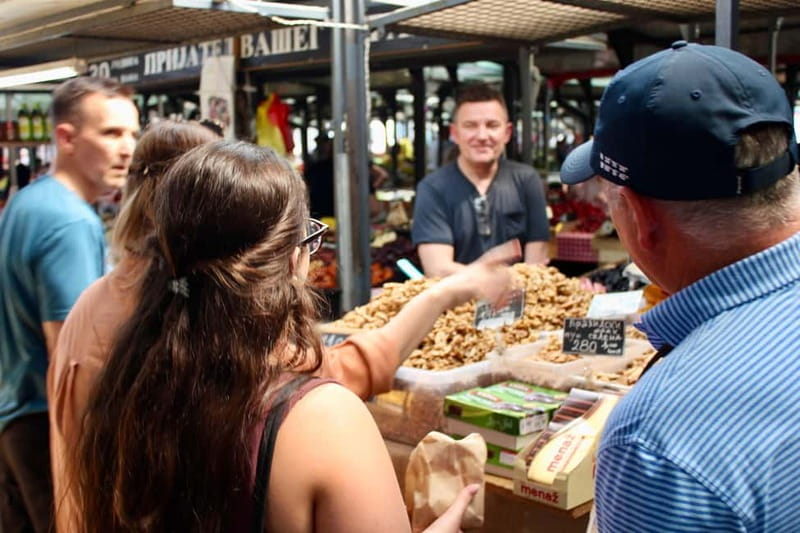
- Bajloni Market and the Ingredients of Serbian Cooking
- Bakery Tasting with Cheese, Cured Meat, Honey, and Rakija
- Serbian, Ottoman, and European Sweets
- The Optional Modern Serbian Lunch
- What the $135 Price Really Covers
- How Much Walking and Planning You Need
- Who Will Enjoy This Belgrade Food Walk
- Should You Book Taste Belgrade?
- FAQ
- Where does the Taste Belgrade Tour begin?
- What time does the tour start?
- How long does the tour last?
- Is lunch included?
- What food and drinks are included?
- Is the tour private?
- What language is the tour conducted in?
- Are coffee beans included?
- Are comfortable shoes necessary?
- Is the tour suitable for wheelchair users?
- Can I cancel the tour?
Key Details Before You Book
- Coffee begins the tour in Dorćol: You learn why Serbian coffee is a slow ritual tied to conversation, not a drink to rush through.
- Bajloni Market shows the ingredients behind Serbian cooking: Fresh produce, cheeses, cured meats, honey, and pastries give the tour a useful local-food foundation.
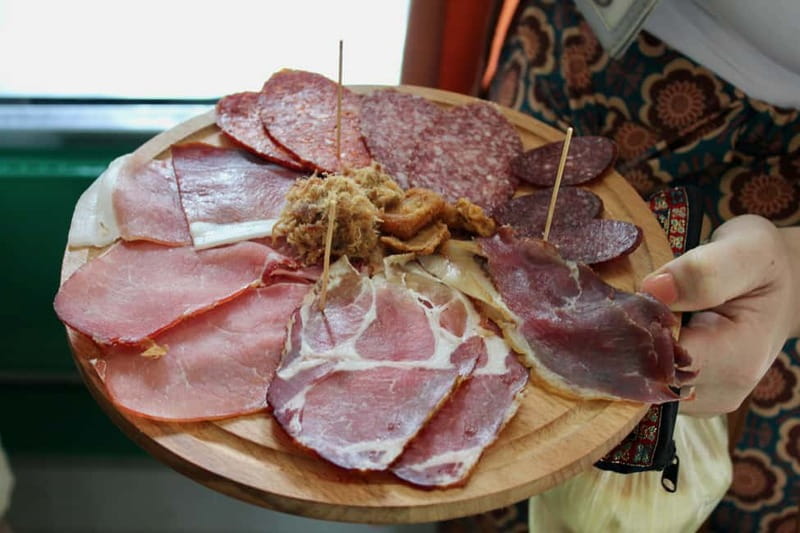
- A bakery stop includes a full savory tasting: Bruschetta is served with local cheeses, homemade cured meats, honey, and Serbian rakija.
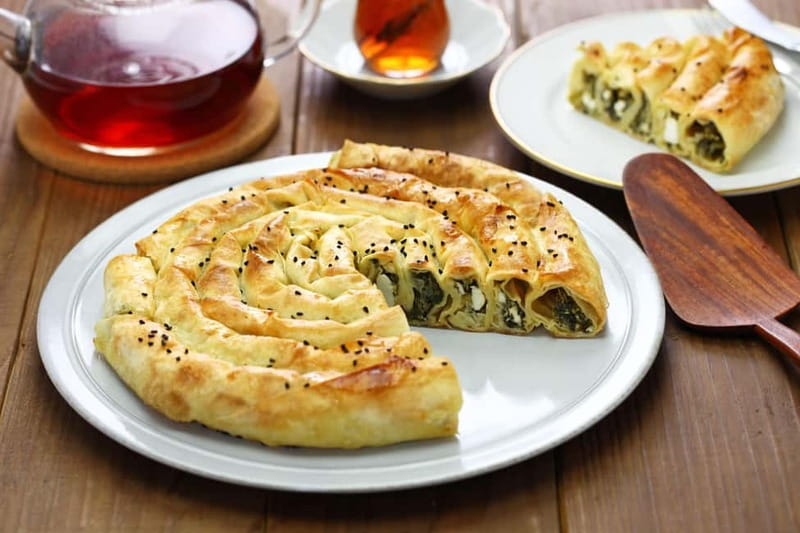
- The oldest pastry shop adds historical flavor: Sweets reflect Serbian, Ottoman, and European influences in one stop.
- The optional lunch shows modern Belgrade cooking: A contemporary restaurant uses local ingredients with newer techniques and careful presentation.
- The private format keeps the experience flexible: The tour lasts about 2.5 to 4 hours, depending on the selected option and lunch extension.
Starting at Republic Square at 10:00 AM
Your meeting point is easy to identify: Republic Square, beside the Prince Mihailo Monument, the familiar horseman statue. This gives you a central start in the city and a clear place to meet your English-speaking licensed guide.
The tour starts at 10:00 AM, which is useful for anyone who wants to make food the first major activity of the day. You are not being rushed from one famous sight to another. Instead, the route moves into ordinary city life, where food shops, cafés, markets, and neighborhood habits explain Belgrade more naturally than a string of monuments.
The private-group setup matters here. Food tours work best when you can ask why a dish is prepared in a certain way, how a drink is served, or what an ingredient means in local cooking. You are not simply following a large crowd from one tasting to the next.
The total time is listed as 2.5 to 4 hours. The shorter version covers the coffee, market, savory tasting, and pastry stop. The longer version includes the optional restaurant lunch, so check the exact option when booking. The timing also means this is not a full-day commitment. You can still use the afternoon for Belgrade’s museums, fortifications, riverfront, or neighborhood walks.
A couple more Belgrade trips to weigh up
- From Belgrade: Novi Sad & Sremski Karlovci Full-Day Tour
★ 4.7 · 1,068 reviews - From Belgrade: Gems of Eastern Serbia Tour
★ 5.0 · 427 reviews - Northern Serbia: Sremski Karlovci and Novi Sad Full-Day Tour from Belgrade
★ 5.0 · 425 reviews
Serbian Coffee in Dorćol
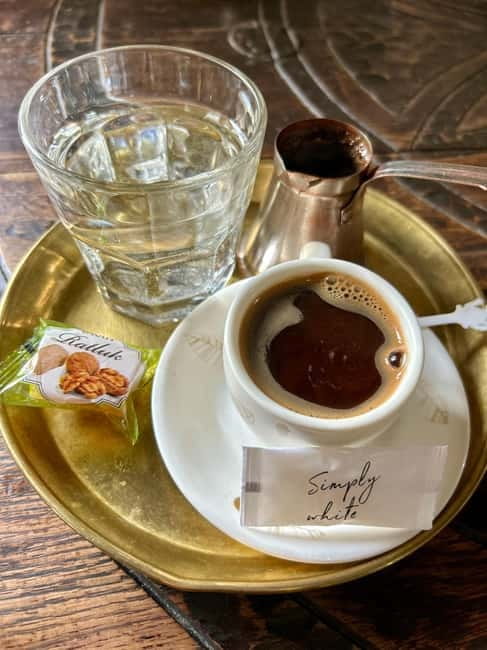
The first real stop takes you into Dorćol, one of Belgrade’s best-known central neighborhoods. Here, coffee is presented as a local ritual: strong, slow, and tied to conversation.
That difference is important. The point is not simply to drink a cup of coffee before the food begins. You are shown how coffee can mark a pause in the day, create space for talk, and bring people together. A guide can explain the custom while you taste the coffee, giving the stop more meaning than a standard café visit.
I like this opening because it sets the tone for the rest of the experience. Serbian food is not presented as a list of dishes. You are encouraged to notice how people eat, drink, talk, and spend time together.
The coffee is described as strong and traditionally prepared. If you enjoy it, you can buy beans to take home. That makes a practical souvenir, especially if you prefer something useful to a decorative object. The tour does not say that coffee beans are included, so plan to pay separately for anything you purchase.
This stop may be less exciting for anyone who does not drink coffee. Still, the cultural explanation and the Dorćol setting give it value even if you only take a small taste. If coffee is a major part of your morning routine, you will likely appreciate starting here.
Bajloni Market and the Ingredients of Serbian Cooking
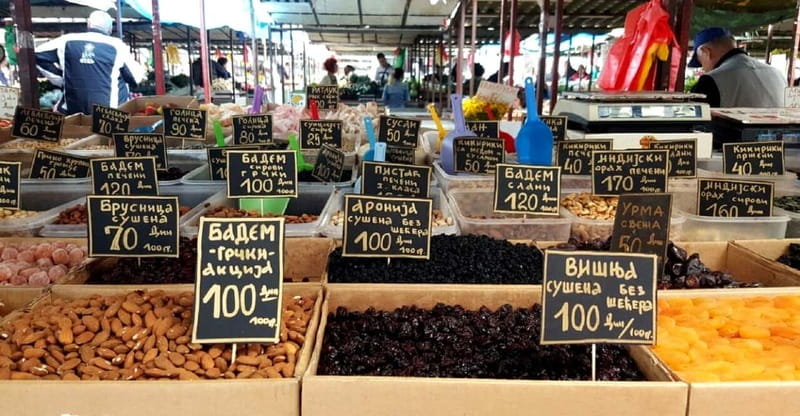
From Dorćol, the tour continues to Bajloni Market, described as one of Belgrade’s oldest and most active green markets. This is where the food becomes more visual and varied.
A market helps you understand a cuisine from the ground up. Instead of meeting Serbian cooking only as a finished plate, you see the fresh ingredients that support it. The stop focuses on the kinds of products used in local meals, including cheeses, cured meats, honey, pastries, and other fresh market foods.
You should expect a walk through a working food market rather than a formal tasting hall. That means the atmosphere may feel informal and practical. The value is in seeing the food within its normal setting, with your guide explaining what matters and how the products fit into local eating habits.
Bajloni Market also gives the tour a stronger connection to daily Belgrade. You are not only sampling foods chosen for visitors. You are looking at a place where residents shop for ingredients. That makes this part especially useful early in your visit, since it can help you recognize Serbian foods later in restaurants and bakeries.
The market portion is also a reminder to wear shoes that can handle several hours on foot. The tour is not suitable for people with mobility impairments or wheelchair users, and no special accessibility arrangements are described.
Bakery Tasting with Cheese, Cured Meat, Honey, and Rakija
The market walk leads to a bakery for a generous savory tasting. You receive freshly made bruschetta with local cheeses, homemade cured meats, honey, and a sip of traditional Serbian rakija.
This is one of the most appealing parts of the route because it brings several Serbian flavors together. The cheeses offer a mild or salty base, the cured meats add a firmer and more savory note, honey brings sweetness, and rakija provides the sharp local spirit that many people associate with Serbian hospitality.
The tasting is not only about eating more food. It lets you compare how the same table can move between sweet, salty, smoky, and strong flavors. The combination also helps explain the balance found in many Balkan meals, where preserved foods and fresh products share space.
Rakija deserves a little caution. It is a traditional spirit, but it can be potent. You receive a sip, not a full drinking session, yet it is wise to pace yourself because the tour continues on foot. If you do not drink alcohol, ask the guide about the tasting at the start. The supplied details do not specify a nonalcoholic substitute.
The use of the word bruschetta may sound more Italian than Serbian, but the important part is the local pairing. Fresh bread, cheese, cured meat, honey, and rakija create a tasting that reflects both the bakery stop and the wider food culture.
All tastings are included in the tour price. That is useful because you do not need to keep calculating small payments at every stop. Souvenirs are not included, and purchases such as coffee beans would be extra.
Out of the city, and a slower way to spend the day:
- Day Trip from Belgrade: Gems of Eastern Serbia
★ 5.0 · 424 reviews - Belgrade: Sunset Cruise with Live Guide
★ 4.4 · 418 reviews - Belgrade: Underground Tour with Riverside Sparkling Wine
★ 4.8 · 411 reviews - Western Serbia 1-Day Tour of the Key Sites from Belgrade
★ 4.8 · 333 reviews
Serbian, Ottoman, and European Sweets
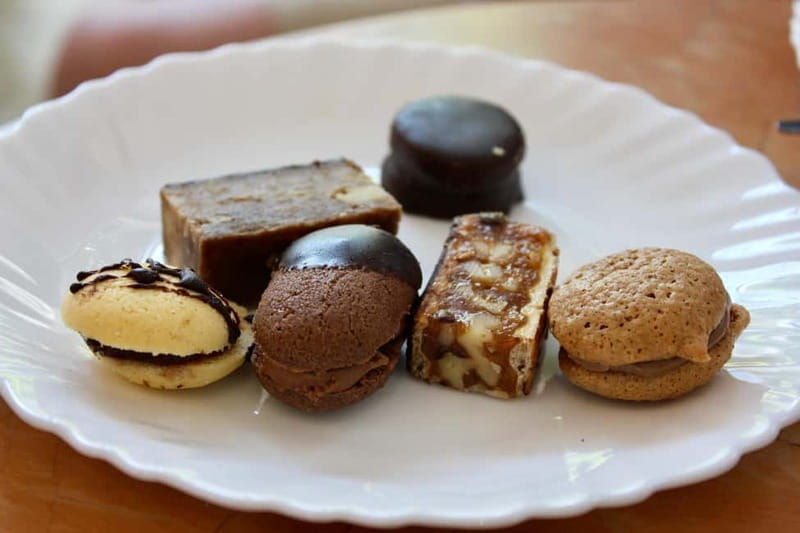
The next stop is Belgrade’s oldest pastry shop. Here, the tour shifts from savory food to sweets influenced by Serbian, Ottoman, and European traditions.
This is a fitting stop in Belgrade because the city’s food culture has developed through contact between different traditions. A pastry can carry that story in a simple form: familiar techniques, local tastes, and outside influences meeting in one small dessert.
The supplied details do not name the exact pastry you will receive, so it is best not to arrive expecting one particular sweet. The guide will introduce the selection available at the shop. That uncertainty is part of the charm, although people with strict dietary needs should ask ahead about ingredients.
This stop works well after the market and bakery. You have already tasted savory food and strong flavors, so the pastry becomes a clear change of pace. It also gives you a chance to consider how Belgrade’s food scene has changed over time without turning the tour into a formal history lecture.
If sweets are your main reason for booking, keep in mind that this is one part of a broader food walk. The experience is designed to connect pastries with the city’s traditions, not to focus only on dessert.
The Optional Modern Serbian Lunch
The longer version adds lunch at a modern restaurant. This is the tour’s clearest look at Belgrade’s changing food scene.
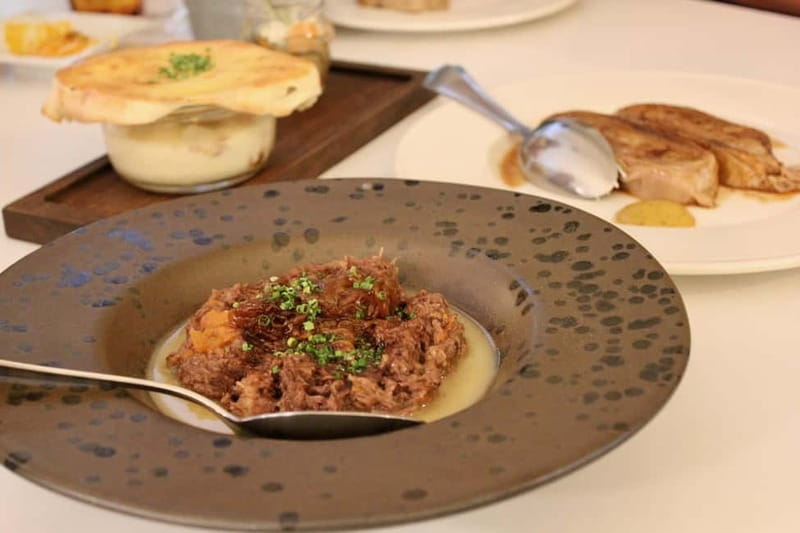
The restaurant combines Serbia’s agricultural roots with newer culinary techniques. Locally grown ingredients receive fresh treatment and careful presentation, while the meal still respects traditional sources. In practical terms, this gives you a chance to see how Serbian cooking can move beyond heavy or rustic expectations without abandoning local identity.
This meal received especially strong praise from a Dutch guest who described the cooking as exquisite and noted the shared passion for local food and wine between Jelena and the cook. That detail matters because the lunch appears to be more than an added plate of food. It is presented as a meeting point between the guide’s food knowledge and the restaurant’s approach.
The lunch is optional, so it should not be treated as part of every version of the tour. The listed price is $135 per person, and lunch is included only with the extended option. Confirm which version you are selecting and what is covered before paying.
For people who enjoy restaurants and want to understand where Belgrade’s food culture is heading, the extended option may offer the best value. You get the traditional side of the city through coffee, market products, rakija, and pastries, then see those local ingredients used in a contemporary setting.
For those who prefer a shorter morning walk, the basic tour may be enough. It already includes several tastings and the cultural background. The choice depends on whether you want a complete meal or simply an introduction to Serbian food.
What the $135 Price Really Covers
At $135 per person, this is not a low-cost snack walk. The price needs to be judged against the private format, the licensed English-speaking guide, the number of tasting stops, and the optional lunch arrangement.
All tastings are included, which removes much of the uncertainty found on casual food walks. You are paying for interpretation as well as food: why coffee is served slowly, how market ingredients fit Serbian cooking, and what the pastry traditions reveal about Belgrade.
The private group also adds value if you want conversation and personal attention. Jelena’s willingness to run the tour for one person, even after a late booking, suggests flexibility in the guiding style. That is a stronger selling point for solo visitors and couples than for people who only want the cheapest possible way to sample local food.
The price is harder to justify if you are mainly looking for a large quantity of food. This is a cultural food experience, not an all-day feast. The optional lunch may improve the value for you, but only if you choose the extended version and want a sit-down meal at a modern restaurant.
How Much Walking and Planning You Need
The tour lasts about 2.5 to 4 hours and moves through Republic Square, Dorćol, Bajloni Market, a bakery, and a pastry shop. Comfortable walking shoes are specifically recommended.
You should plan to eat a light breakfast or skip one. The route includes coffee, savory food, sweets, and possibly lunch, so arriving hungry helps. At the same time, do not assume that every dietary preference can be handled. The details do not provide vegetarian, vegan, gluten-free, or alcohol-free arrangements.
Pets are not allowed. The tour is conducted in English, with a live guide, and the group is private. You can cancel up to 24 hours before the start for a full refund, and the reserve-now, pay-later option allows you to hold your place without paying immediately.
At the end, the guide helps you continue exploring Belgrade or find your way back to your accommodation. That is a small but useful finish, especially if you are new to the city and want advice on what to do next.
Who Will Enjoy This Belgrade Food Walk
I would recommend this tour to you if you want food to explain the city. It suits first-time visitors who need an introduction to Serbian customs, solo visitors who prefer a private guide, couples who like tasting several styles of food, and anyone interested in the link between old traditions and new restaurants.
It is also a good choice for people who enjoy conversation. The coffee ritual and personal guiding style give the experience a social side, while the market and pastry stops keep it grounded in specific places.
You may want to skip it if you dislike walking, do not eat dairy or cured meat, avoid alcohol, or want a tour focused only on famous sights. The route is about local food and daily habits, not a broad sightseeing program. Accessibility is limited, and no pets are allowed.
Should You Book Taste Belgrade?
Book it if you want a private, food-centered introduction to Belgrade rather than a simple checklist of samples. The strongest parts are the slow coffee ritual, Bajloni Market, the bakery pairing of cheese and cured meat with rakija, and the pastry stop that brings several cultural influences together.
Choose the extended version if the modern Serbian lunch appeals to you and you want to see how local ingredients are used in a newer style of cooking. Choose the shorter option if you want a compact morning experience.
At $135 per person, the tour is best for you when personal guiding, included tastings, and cultural context matter more than finding the lowest price. With Jelena’s warm, flexible approach and a route that moves through real food places, it offers a thoughtful way to understand Belgrade through what people drink, buy, share, and eat.
FAQ
Where does the Taste Belgrade Tour begin?
The tour begins at Republic Square, next to the Prince Mihailo Monument, also known as the horseman statue.
What time does the tour start?
The stated start time is 10:00 AM.
How long does the tour last?
The tour lasts approximately 2.5 to 4 hours, depending on the selected option and whether you add lunch.
Is lunch included?
Lunch is included only with the extended option. The shorter option includes the listed tastings but not lunch.
What food and drinks are included?
The experience includes Serbian coffee, local cheeses, pastries, homemade cured meats, honey, bruschetta, a sip of rakija, and sweets at the pastry shop. Lunch is included only with the extended option.
Is the tour private?
Yes. The experience is offered as a private group tour.
What language is the tour conducted in?
The tour is conducted in English by a live English-speaking licensed guide.
Are coffee beans included?
Coffee beans are not listed as an included item. You may be able to purchase beans separately if you enjoy the coffee.
Are comfortable shoes necessary?
Yes. Comfortable walking shoes are recommended because the tour includes walking through Dorćol, Bajloni Market, and other food stops.
Is the tour suitable for wheelchair users?
No. The experience is listed as unsuitable for wheelchair users and people with mobility impairments.
Can I cancel the tour?
You can cancel up to 24 hours in advance for a full refund. A reserve-now, pay-later option is also available.
Just added in Belgrade
- Your Own Belgrade: Street Art and Hidden Gems Walking Tour★ 5.0 · 2 reviews
- Private Half Day Serbia Tour Novi Sad and Petrovaradin Fortress★ 5.0 · 3 reviews
- 3-Hour Belgrade Zemun Neighborhood Tour★ 5.0 · 8 reviews
- Private Belgrade Street Art and Adventures Walking Tour★ 5.0 · 4 reviews
- Private Wine Tasting by Party in Belgrade★ 5.0 · 3 reviews
- From Belgrade:Uvac Nature Reserve Tour★ 5.0 · 4 reviews
- Urban & Alternative Belgrade tour★ 5.0 · 4 reviews
- VIP Reservation Service in Belgrade★ 5.0 · 2 reviews
Belgrade Tours, compared.
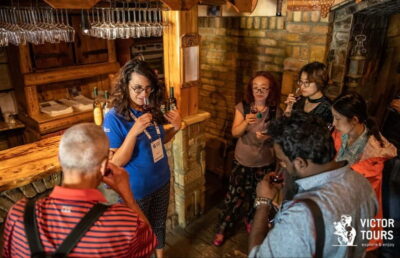
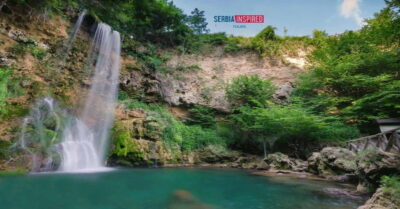
Northern Serbia: Sremski Karlovci and Novi Sad Full-Day Tour from Belgrade
Read our review →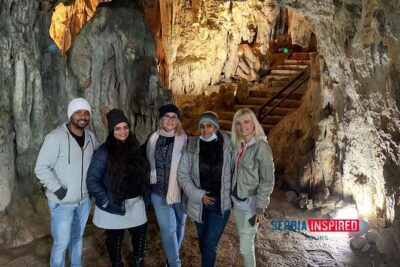
Day Trip from Belgrade: Gems of Eastern Serbia
Read our review →
Western Serbia 1-Day Tour of the Key Sites from Belgrade
Read our review →