
Reviewed · FORTRESS TOURS
Get Big Picture of Belgrade at its 2,000 years old Fortress
History comes alive above two rivers. This 90-minute private walk through Belgrade Fortress gives you a clear sense of why this hill has mattered for roughly 2,000 years, from Roman rule to the Cold War. I especially like the private format, which lets your guide adjust the pace and answer questions, and the wide views over the Sava, Danube, New Belgrade, and Zemun. The one consideration is physical: you should have moderate fitness for walking around gates, walls, towers, and uneven historic ground.
I also like the way the tour joins military history with everyday life and modern politics. Art historian guide Igor is praised for his enthusiasm, conversation, and willingness to discuss difficult parts of Serbian history, while guides Igor and Ksenija have led some departures. At $66.01 per person, the cost is easiest to justify for a small group of up to eight, since you are paying for a private guide rather than a standard group walk.
In This Review
- Key points to know before booking
- Why Belgrade Fortress is the right place to begin
- Beginning at the Art Pavilion in Mali Kalemegdan
- The first 30 minutes: views, walls, and the shape of the city
- The next 30 minutes: Roman walls, sultans, and wartime questions
- The final 30 minutes: Kalemegdan Park and sunset
- What makes the private format worth $66.01
- Who will enjoy this fortress walk most
- A guide who invites questions, not just photographs
- Practical advice for getting the most from the 90 minutes
- Should you book the Belgrade Fortress tour?
- FAQ
- How long does the Belgrade Fortress tour last?
- How many people can join the private tour?
- What language is the tour offered in?
- Where does the tour start and end?
- Is the Belgrade Fortress admission included?
- Can I cancel for a full refund?
Key points to know before booking
- A private history lesson for up to eight people: Your group gets the guide’s full attention, which is useful if you want to ask about Serbia’s politics, wars, architecture, or changing identity.
- Three connected 30-minute sections: The experience moves through the fortress, its historic gates and underground spaces, and Kalemegdan Park.
- An art historian leads the way: Igor is especially praised for passionate storytelling and thoughtful conversation, with Ksenija also guiding some tours.
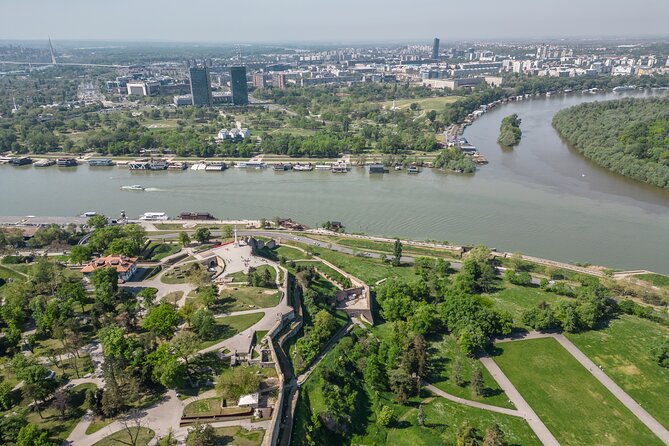
- The views are a major part of the experience: You look across the meeting point of the Sava and Danube toward New Belgrade and Zemun.
- Sunset can improve the final half hour: Timing the walk for sunset adds a memorable view, with sunset ranging from about 4:30 p.m. in winter to after 7 p.m. in summer.
- A strong choice when time is short: In 90 minutes, you get history, scenery, political context, and a useful introduction to central Belgrade.
Why Belgrade Fortress is the right place to begin
Belgrade Fortress is not a single preserved building waiting to be photographed. It is a layered piece of ground where different powers built, destroyed, repaired, and reused the same defenses. The Romans began the story, and later rulers included the Ottomans and Habsburgs. The site also carries memories from the Second World War, socialist Yugoslavia, and the Cold War.
That makes the fortress a useful first stop in Belgrade. You are not just looking at old stone. You are looking at the reason the city grew here, where major rivers meet and where control of the hill meant control of movement through the region.
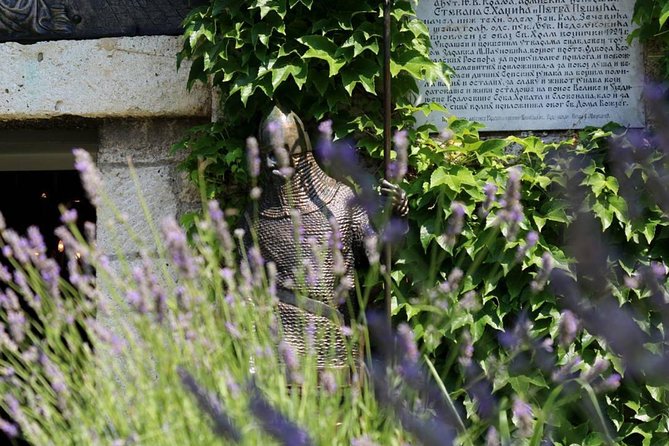
The tour is led by a professional art historian, so the focus goes beyond dates and battles. You can expect attention to architecture, political power, religious change, and the way old military spaces were reused. One especially intriguing example is a church built from a former military magazine. The site also includes the foundations of a medieval castle and sections of a Roman wall.
I like this approach because Belgrade can seem hard to read at first. Its mix of Ottoman, Central European, Yugoslav, and modern Serbian influences is not always obvious during a quick city walk. From the fortress, your guide can point out how the city’s past connects with the places you see below.
Other fortresses above the rivers:
- From Belgrade: Golubac Fortress and Iron Gate Gorge Tour
★ 4.8 · 271 reviews - Along the Danube: Golubac Fortress & Iron Gate Gorge day trip from Belgrade
★ 4.5 · 185 reviews - From Belgrade: Golubac Fortress & Iron Gate Danube Gorge
★ 4.8 · 185 reviews
Beginning at the Art Pavilion in Mali Kalemegdan
The meeting point is the Art Pavilion Cvijeta Zuzorić at Mali Kalemegdan 1. This places you in the park area beside the fortress rather than at a distant transport stop, and the location is near public transportation.
The walk begins with the green setting of Kalemegdan Park. That matters because the fortress is not only a hard-edged military site. Trees, paths, open lawns, and lookout points soften the approach and make the first section pleasant even if military history is not your main interest.
Your guide uses this opening to establish the geography. You will see the Sava and Danube, their confluence, New Belgrade, and Zemun. Those views help explain the city’s position before the historical details begin.
New Belgrade and Zemun are particularly useful landmarks to identify. New Belgrade was developed as the capital of socialist Yugoslavia, while Zemun has a quieter Central European appearance. Seeing both from the old fortress gives you a quick visual lesson in Belgrade’s different eras.
The first 30 minutes: views, walls, and the shape of the city
The first section combines panoramic views with a broad historical and political introduction. This is where I would expect the guide to help you get your bearings, rather than overwhelm you with every date associated with the fortress.
The outlook across the rivers is the obvious pleasure. On a clear day, you can see how the Sava joins the Danube and how the city spreads toward New Belgrade and Zemun. The view also shows why the location was contested. Rivers offered trade and transport, but they also made this hill strategically important.
The setting is generous enough for the history to breathe. You are in a park, not a dark museum room, and the open views provide a useful pause between stories of war and political change. If you are traveling with children, this outdoor format may work better than a long indoor lecture, though the guide’s detailed historical focus may suit older children best.
This first section is also a good time to ask questions. Since the tour is private, your group can steer part of the discussion toward subjects that interest you. You might ask about the difference between the old city and New Belgrade, the role of the rivers, or how the fortress relates to modern Serbian life.
The next 30 minutes: Roman walls, sultans, and wartime questions
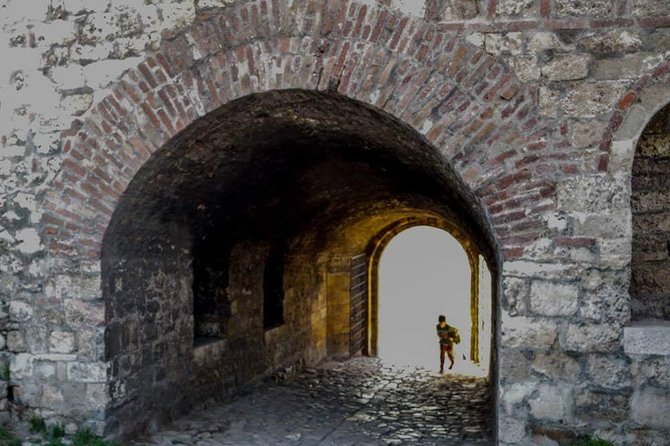
The second part moves through the fortress itself. Here, the story becomes more physical. You pass gates and walls, towers and dungeons, with each structure tied to a period of conflict or rebuilding.
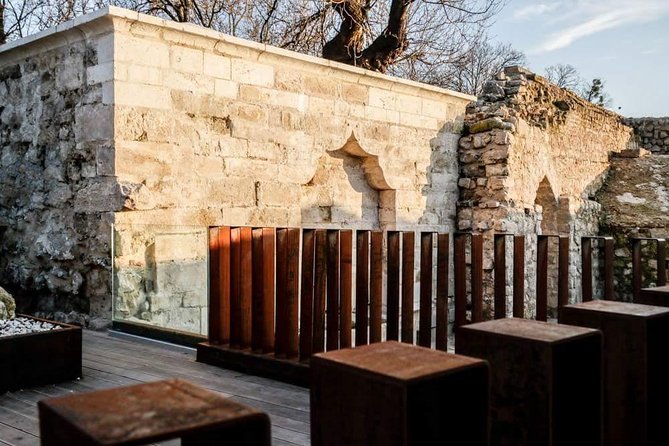
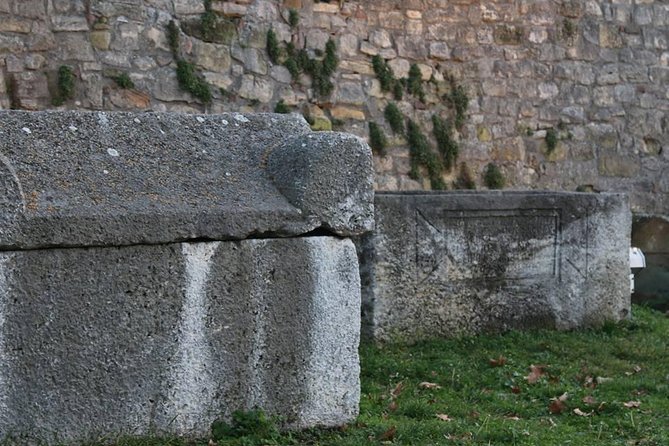
The historical route begins with the ancient Romans and follows the successive powers that fought over this patch of earth, water, and sky. The guide connects the Roman remains to later medieval defenses and the Ottoman and Habsburg periods. You are encouraged to see the fortress as a record of rise and fall rather than as one neatly preserved monument.
Several unusual questions give this section its character. You will hear why the noon bell in churches across Europe is connected with Belgrade, and which sultan called the fortress his Contemplation Hill. These details are more memorable than a simple list of rulers because they show how local events gained a wider religious and political meaning.
The guide also addresses the bombing of Belgrade by the Nazis in 1941 and the threat of a Soviet invasion in the 1950s. Those subjects bring the site into the modern era and make clear that the fortress was not only important in Roman or Ottoman times.
There is also a story involving a filmmaker who said he felt inspired after going underground. The information provided does not identify the filmmaker, so you should ask your guide about the name and the story if that detail catches your interest. The underground spaces are one of the elements that give this walk extra appeal, but the exact areas visited can depend on the guide and conditions.
I particularly value the willingness to discuss politics and controversy. Igor is described as someone who explains both the historical events and how they are viewed now. That can lead to a more honest picture of Serbia than a polished story focused only on famous rulers and handsome views.
A couple more Belgrade trips to weigh up
- From Belgrade: Novi Sad & Sremski Karlovci Full-Day Tour
★ 4.7 · 1,068 reviews - From Belgrade: Gems of Eastern Serbia Tour
★ 5.0 · 427 reviews - Northern Serbia: Sremski Karlovci and Novi Sad Full-Day Tour from Belgrade
★ 5.0 · 425 reviews - Day Trip from Belgrade: Gems of Eastern Serbia
★ 5.0 · 424 reviews
The final 30 minutes: Kalemegdan Park and sunset
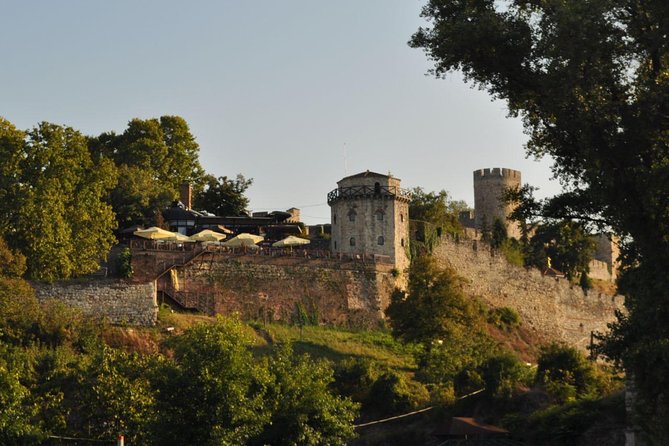
The last section returns to the park and the broad outlooks. This is the most relaxed part of the tour, and it is where the experience can become especially attractive for couples or anyone who enjoys city views.
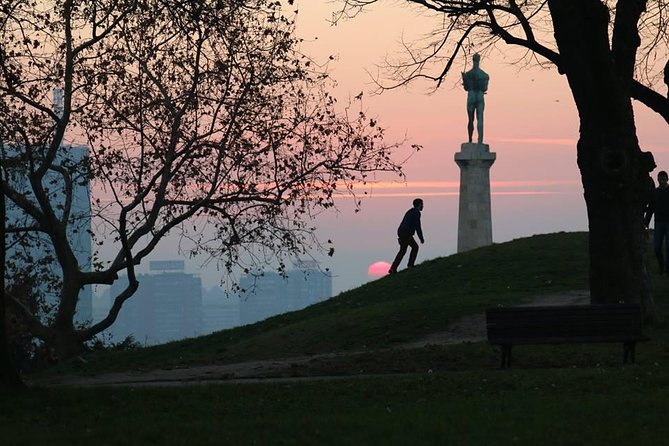
Sunset timing is worth planning carefully. In autumn, sunset is around 5:30 p.m. In winter, it is closer to 4:30 p.m. In April and May, it is around 6 p.m., and in summer it comes after 7 p.m. These times are approximate, but they show why the same tour can feel very different depending on the season.
At sunset, the Sava and Danube become the main show. You can watch the light shift across the water and see New Belgrade and Zemun from the elevated fortress. If you prefer cooler temperatures or sharper visibility, a morning departure may be better. One particularly positive account describes clear morning views and an enjoyable conversation that continued after the scheduled walk.
The final stop also gives you a chance to think about the contrast between old and new Belgrade. From one viewpoint, you can take in Roman and medieval foundations, Ottoman and Habsburg defenses, socialist-era New Belgrade, and the present-day capital. That is a lot of Serbian history in one frame.
What makes the private format worth $66.01
The price is $66.01 per person, and the tour is private for groups of up to eight. That is not the cheapest way to see the fortress, especially for a solo visitor. For a couple or a small group sharing the cost, however, the value is more reasonable because you receive a dedicated art historian rather than joining a large departure.
The main benefit is flexibility. You can ask for more detail about the Roman remains, spend extra time on political history, or pause to discuss what you are seeing. The supplied experiences describe Igor as passionate, conversational, and open to a little debate. That style will suit you if you want a guide who treats history as a subject for thought, not just memorization.
The tour also saves time. In 90 minutes, you cover the principal views, the fortress structures, the park, and a long stretch of history. If you have only a short stay in Belgrade, that makes the price easier to defend. You get a useful orientation before exploring the city on your own.
The tradeoff is that 90 minutes is still brief for such a layered site. You will get an intelligent overview, but not an exhaustive inspection of every gate, tower, church, and underground chamber. If you want a slow archaeological visit or a full-day study of Belgrade’s fortifications, this is not the right format.
Who will enjoy this fortress walk most
This experience suits you best if history and politics are central to the way you travel. The guide’s strongest material appears to concern war and peace, shifting empires, Serbian political life, and the way the past remains present in the city.
It is also a good match for:
- Couples who want a sunset viewpoint with substance behind it
- Families with older children who can follow a detailed historical story
- Small groups that want a private conversation instead of a fixed group lecture
- First-time visitors who need a quick introduction to Belgrade
- Architecture and art enthusiasts interested in reused military and religious buildings
- People who prefer a walk with views rather than a conventional indoor museum visit
You may want to reconsider it if you dislike uneven walking or find military history tiring. A moderate level of physical fitness is recommended, and the route includes historic walls, gates, towers, and underground spaces. The tour is in English, so you should also be comfortable following detailed spoken explanations in English.
Service animals are allowed, and the meeting area is near public transportation. The tour ends at the Embassy of France on Pariska 11, which is useful because you finish close to central Belgrade rather than returning to the starting point.
A guide who invites questions, not just photographs
The strongest praise centers on the guides, especially Igor. He is described as passionate about Serbian history, willing to explain current viewpoints, and comfortable with conversation and debate. That matters at a site where many stories have competing interpretations.
The tone seems particularly suited to curious people. You may finish with more questions than you had at the start, which is a good result for a historical walk. One account even describes the group wanting the conversation to continue after the formal tour ended.
Ksenija also guides some departures, and the experience with Igor and Ksenija has been described as a walk through many years and curiosities of Belgrade. Since guide assignment may vary, you should not book solely on the assumption that one named guide will lead your tour. Still, the guide quality is clearly a central part of the experience.
The overall rating is 4.9 out of 5, with 100 percent of the 20 listed ratings recommending the experience. That is a small sample, so I would not treat it as proof that every departure will be perfect. It does point to a consistent strength: visitors value the storytelling, the views, and the chance to discuss Belgrade beyond the usual sightseeing script.
Practical advice for getting the most from the 90 minutes
Book around the light you want. Summer sunset departures can be scheduled after 7 p.m., while winter sunset may require a much earlier start. Morning is a sensible choice if you want clear views and a cooler walk.
Wear shoes suitable for moderate walking. The fortress includes walls, gates, towers, and dungeons, so comfort matters more than dressing for a formal city attraction.
Come with one or two questions in mind. The private setup is most valuable when you use it. Ask about the noon bell, the sultan’s name, the 1941 bombing, the 1950s Soviet threat, or the filmmaker connected with the underground spaces.
Allow a little time after the tour if possible. The scheduled walk is 90 minutes, but the conversational style may leave you wanting to ask follow-up questions. Do not count on an extension, but avoid scheduling a tight appointment immediately afterward.
The experience includes a professional art historian guide and the private tour itself. No extra item is listed as excluded, and admission is included for the fortress sections. Confirmation is provided when you book, and free cancellation is available up to 24 hours before the start time. Changes or cancellations made later are not accepted for a refund.
Should you book the Belgrade Fortress tour?
Book it if you want a compact, thoughtful introduction to Belgrade and prefer a private guide who can discuss history, politics, architecture, and modern identity. The combination of Roman remains, Ottoman and Habsburg conflict, wartime stories, underground spaces, and river views gives the 90 minutes real range.
I would especially choose it for a small group of friends, a couple interested in history, or a first visit when time is limited. Schedule it near sunset for the most romantic views, or in the morning for a cooler walk and potentially clearer conditions.
Skip it if you want a very cheap self-guided visit or a long archaeological tour with extensive time inside every structure. For everyone else, the price buys more than a walk around old walls. It gives you a framework for understanding Belgrade, and that framework will make the rest of your time in the city easier to read.
FAQ
How long does the Belgrade Fortress tour last?
The tour lasts approximately 1 hour and 30 minutes. The experience is divided into three sections of about 30 minutes each.
How many people can join the private tour?
The private tour can be booked for a group of up to eight people. Only your group participates.
What language is the tour offered in?
The tour is offered in English.
Where does the tour start and end?
The tour starts at the Art Pavilion Cvijeta Zuzorić, Mali Kalemegdan 1, Belgrade. It ends at the Embassy of France, Pariska 11, Belgrade.
Is the Belgrade Fortress admission included?
Yes. Admission is included for the fortress portions of the experience. The Kalemegdan Park section has no admission charge listed.
Can I cancel for a full refund?
Yes. You can cancel at least 24 hours before the local start time for a full refund. Cancellations or changes made less than 24 hours before the start time are not accepted for a refund.
Just added in Belgrade
- Your Own Belgrade: Street Art and Hidden Gems Walking Tour★ 5.0 · 2 reviews
- Private Half Day Serbia Tour Novi Sad and Petrovaradin Fortress★ 5.0 · 3 reviews
- 3-Hour Belgrade Zemun Neighborhood Tour★ 5.0 · 8 reviews
- Private Belgrade Street Art and Adventures Walking Tour★ 5.0 · 4 reviews
- Private Wine Tasting by Party in Belgrade★ 5.0 · 3 reviews
- From Belgrade:Uvac Nature Reserve Tour★ 5.0 · 4 reviews
- Urban & Alternative Belgrade tour★ 5.0 · 4 reviews
- VIP Reservation Service in Belgrade★ 5.0 · 2 reviews
Fortress Tours, compared.
Along the Danube: Golubac Fortress & Iron Gate Gorge day trip from Belgrade
Read our review →
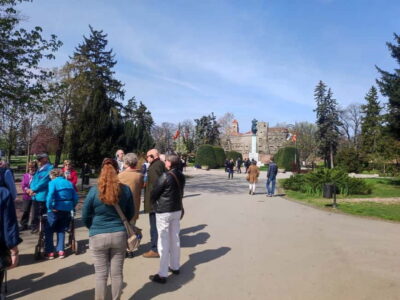

Walking Tour city center and Petrovaradin Fortress
Read our review →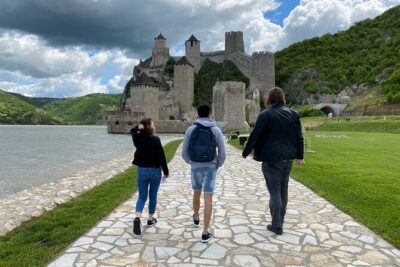
Golubac Fortress w/Iron Gate Speed Boat & Rakija Distillery tour
Read our review →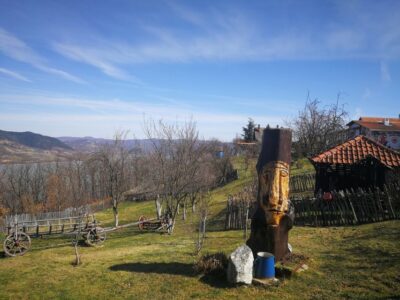
Iron Gate Tour: Golubac Fortress, Lepenski Vir+National Park
Read our review →Browse the lists this tour appears in