
Reviewed · DRINA RIVER & TARA TOURS
From Sarajevo: Višegrad, Andrićgrad, Šargan Train, Drvengrad
One day, two countries, many stories. This 12-hour trip from Sarajevo links the Drina River, Višegrad’s famous Ottoman bridge, Serbia’s Šargan Eight railway, and the wooden village of Drvengrad. I love the mix of scenery and culture, especially the chance to walk across a UNESCO-listed bridge and then ride one of Europe’s last operating narrow-gauge trains.
I also like the small-group format, with no more than seven participants, and the guides’ strong grasp of Bosnia’s difficult modern history. Guides such as Senad, Vedad, Amir, Enis, Ismet, and Alem have been praised for clear explanations, personal stories, and careful driving. The main drawback is the long day: you will spend several hours in the vehicle, cross an international border, and pay extra for the train and Drvengrad.
In This Review
- Key points to know before booking
- Leaving Sarajevo through the Romanija Mountains
- Višegrad and the bridge over the Drina
- Andrićgrad, a town built from literature
- Dobrun Monastery and a brief mountain pause
- The Šargan Eight train near Mokra Gora
- Drvengrad and the Kusturica connection
- What the $84 price really covers
- Timing, border checks, and comfort
- Who should take this day trip?
- Should you book this Sarajevo to Serbia tour?
- FAQ
- How long is the tour from Sarajevo?
- Is hotel pickup included?
- Do I need a passport?
- Is the Šargan Eight train included in the price?
- Is the entrance to Drvengrad included?
- Are food and drinks included?
- What size is the tour group?
- Is the tour available in English?
Key points to know before booking
- The day crosses into Serbia: Bring your passport and allow time for border checks between Bosnia and Herzegovina and Serbia.
- Višegrad’s bridge is the historical centerpiece: The Mehmed Paša Sokolović Bridge is a 16th-century Ottoman structure and a UNESCO World Heritage Site.
- The train is the most unusual activity: The Šargan Eight follows a narrow-gauge route through the hills near Mokra Gora, subject to seasonal availability.
- Andrićgrad is a planned stone town: It was created in honor of Nobel Prize-winning author Ivo Andrić and uses several architectural styles.
- The price is not all-inclusive: The $84 tour price does not cover the train, Drvengrad entrance, meals, or drinks.
- This suits curious, active sightseers: You get much more from the day if you enjoy history, border regions, mountain roads, and unusual cultural sites.
Leaving Sarajevo through the Romanija Mountains
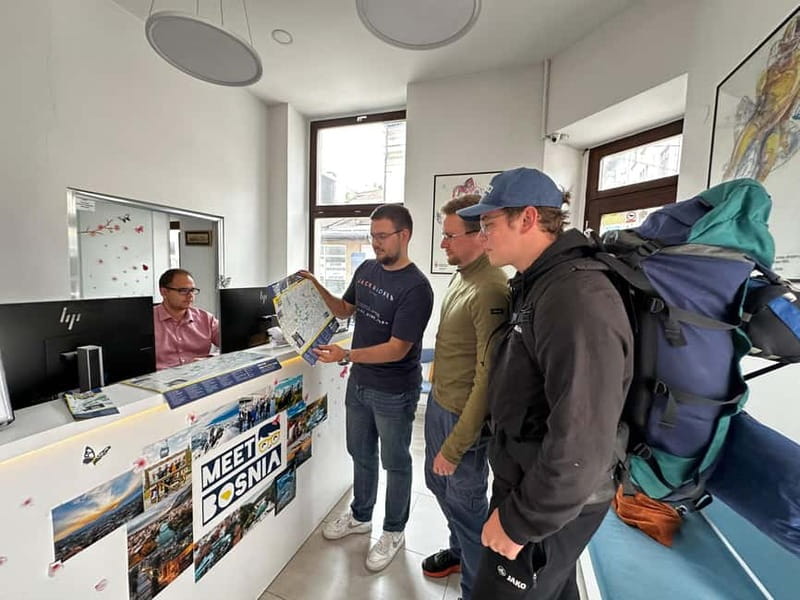
The trip begins with hotel pickup in Sarajevo, usually with a request to wait in your lobby about 10 minutes before departure. Transport is by an air-conditioned car or minivan, and the small group limit makes the long drive more manageable than a full coach tour.
The first major stretch takes roughly two hours. You travel east from Sarajevo through the Romanija Mountains, where the road itself becomes part of the experience. Green hills, wooded slopes, and changing views lead toward the Drina River and the border with Serbia.
This is not a quick hop between attractions. The route takes time, and that matters when you are planning your day. You should expect a full day away from Sarajevo, with a considerable portion spent on the road. The trade-off is access to places that are awkward to reach by public transport in a single day.
The guides are an important part of the ride. Several have been praised for explaining Bosnia, Serbia, Yugoslavia, religion, politics, and the region’s recent wars without treating the subject as a simple story. Vedad, Senad, Amir, Alem, Armina, Chris, Enis, Ismet, and others have been singled out for warmth, good timing, and personal accounts.
That last point matters. This is not only a scenic outing. The drive passes through places shaped by political borders and conflict, so a thoughtful guide can help you understand what you are seeing. The quality of the commentary may vary by individual guide, but the overall guiding record is a major strength.
More Drina & Tara Trips in Serbia:
- Belgrade: Best of West (Drina House, Drvengrad and Sargan 8)
★ 4.7 · 195 reviews - Šargan Eight Railway, Wooden Town & House on Drina river day trip from Belgrade
★ 5.0 · 107 reviews - From Belgrade: Best of West (Drina House, Drvengrad & Sargan 8)
★ 5.0 · 104 reviews
Višegrad and the bridge over the Drina
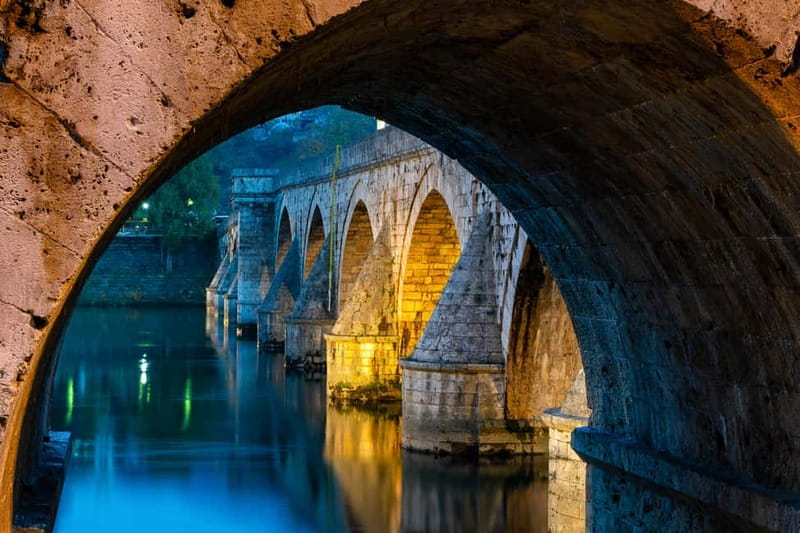
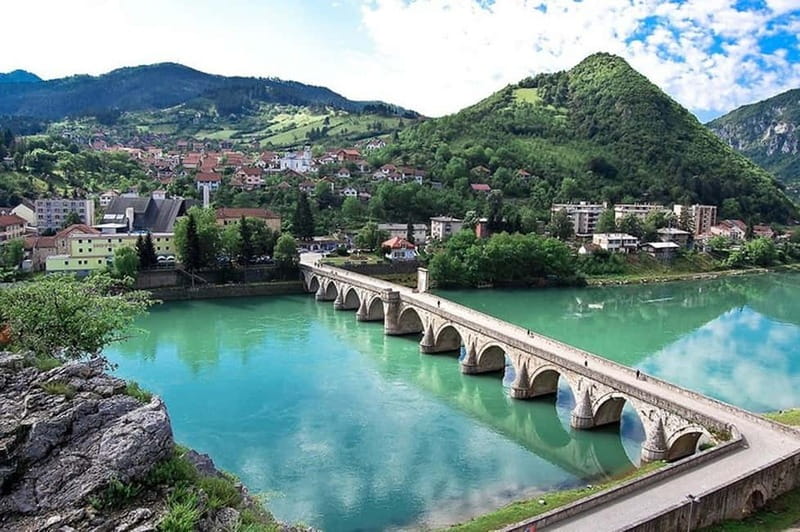
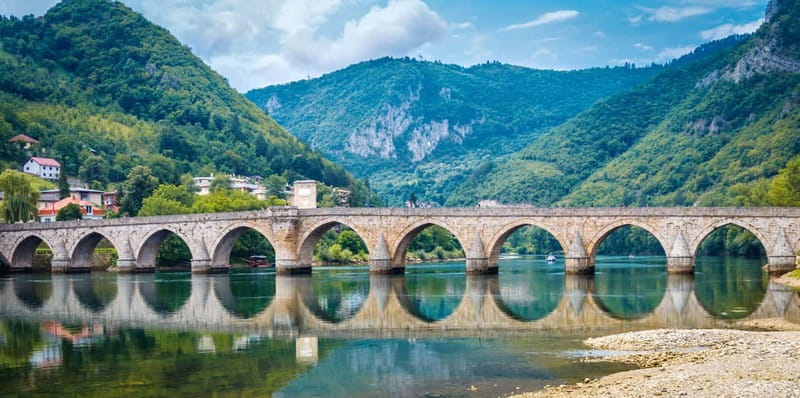
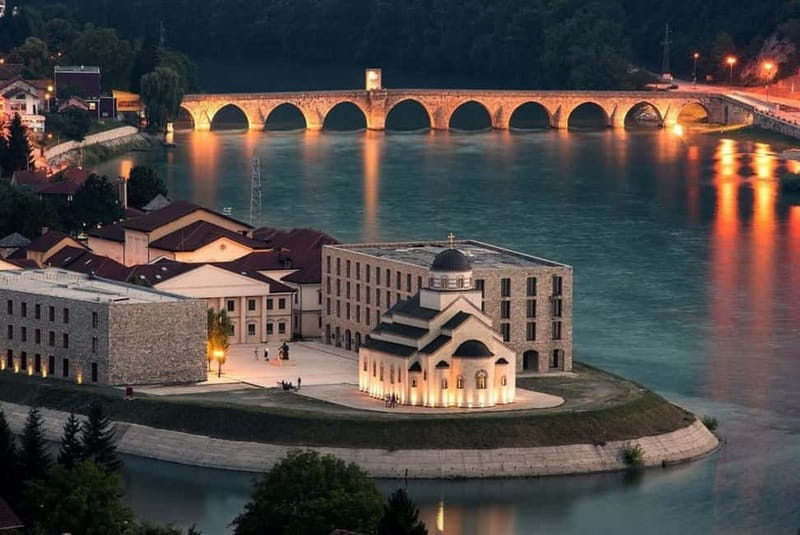
The arrival in Višegrad brings the day’s strongest historic sight. The Mehmed Paša Sokolović Bridge crosses the Drina River with a row of stone arches that have made it one of Bosnia and Herzegovina’s best-known monuments.
You have time for a guided visit, scenic views, and a walk across the bridge. At around 20 minutes, this is a focused stop rather than a long town exploration. I would use the time to look closely at the stonework, study the river from the bridge, and listen carefully to the explanation of its Ottoman background.
The bridge is also tied to Ivo Andrić’s novel The Bridge on the Drina. Andrić was awarded the Nobel Prize in Literature, and his writing brought Višegrad to the attention of readers far beyond the Balkans. You do not need to have read the book to appreciate the bridge, but knowing its literary connection gives the visit another layer.
For many people, Višegrad is the best part of the day. It offers a clear sense of place: a major historic structure, a beautiful river setting, and a direct link between architecture and literature. The drawback is the short schedule. If you want a leisurely riverside lunch or time to explore every corner of town, you may find the stop too brief.
A waterside restaurant is suggested for lunch, but food and drinks are not included. Plan to pay separately, and remember that the meal adds to an already long day. The relaxed river setting makes it a sensible place to pause rather than rush through another attraction.
Andrićgrad, a town built from literature
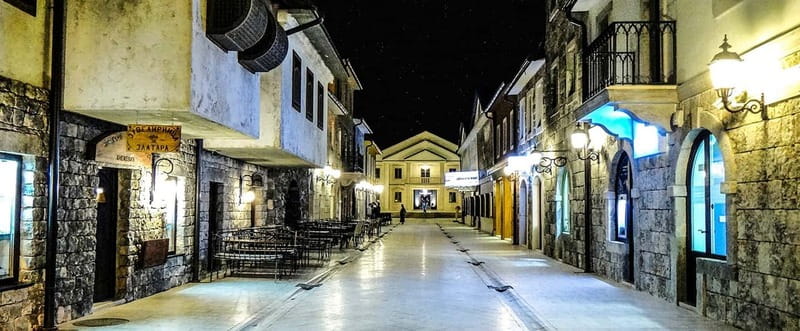
From the bridge, the tour continues to Andrićgrad, also called Kamengrad. This stone-built complex was created in honor of Ivo Andrić and draws on settings, characters, and architectural ideas connected with his work.
The site is not an old town that developed naturally over centuries. It is a modern cultural project designed to look historic. That distinction is useful to keep in mind. You are visiting a constructed interpretation of Balkan history and literature, not an untouched medieval quarter.
The architecture combines different influences, and the result can feel theatrical. That is part of the appeal. You can move from one style to another within a compact area, take photographs, and hear how the project relates to Andrić and Višegrad.
The scheduled visit lasts about 30 minutes. That is enough for a guided introduction and photographs, but not enough for a slow, detailed inspection. I would pay attention to the guide’s explanation rather than trying to judge the place only by its appearance. Without context, Andrićgrad can seem like an attractive film set. With context, it becomes a conversation about how modern Serbia and Bosnia present literature, memory, and identity.
One useful caution: if you are unfamiliar with Andrić or Serbian filmmaker Emir Kusturica, some of the cultural references may not immediately connect. A guide can explain the setting, but you may enjoy it more if you have read a little about Andrić or watched one of Kusturica’s films before arriving.
Dobrun Monastery and a brief mountain pause
The next stop is Dobrun Monastery, a Serbian Orthodox monastery dating from the 15th century. The schedule allows about 15 minutes, described mainly as a photo stop.
That timing makes this a quick introduction rather than a full religious or architectural visit. You may have enough time to see the exterior, take photographs, and hear a short explanation. Do not expect an extended visit with a long inspection of the church or grounds.
Still, the stop earns its place. It adds a religious and regional dimension to a day otherwise centered on bridges, literature, railways, and film-inspired architecture. It also breaks up the drive before the Serbian mountain section.
If you want a deeper look at the monastery, ask your guide what is possible on the day. The tour schedule is tight, and border timing, train availability, and traffic can affect how long each stop lasts.
A couple more Serbia trips to weigh up
- West of Belgrade: Woodentown, Šargan 8 train & Drina River
★ 4.7 · 42 reviews - Sarajevo: Visegrad, Sarkan Eight Railway & Kurstendorf Tour
★ 4.8 · 13 reviews - From Belgrade: Sargan 8 Railway and Wooden City 1 Day Tour
★ 4.7 · 10 reviews - From Belgrade: Mokra Gora Sargan 8 train,Mecavnik & Zlatibor
★ 5.0 · 8 reviews
The Šargan Eight train near Mokra Gora
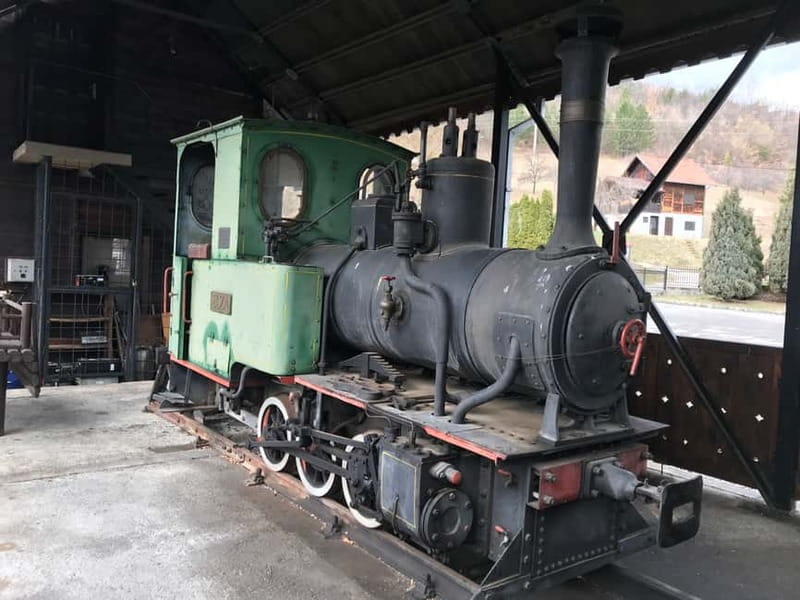
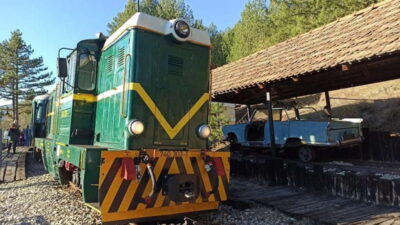
Near Mokra Gora, you reach the most distinctive activity of the tour: the Šargan Eight train. This narrow-gauge railway is one of the last operating lines of its kind in Europe, and the route is known for its looping shape through the hills.
The railway is called the Eight because of the way the track winds and doubles back, helping the train gain height in difficult terrain. The ride offers a slower view of the Serbian countryside and gives your legs a welcome break from the minivan.
The train is not included in the $84 price. The additional cost is listed as 1,200 Serbian dinars, or about €10, payable by card or cash. It is also subject to availability and seasonal operating schedules, so you should not treat the ride as guaranteed.
That condition is important. The train is widely described as the high point of the Serbian portion, but schedules can change. One winter visit had a shorter ride than the standard schedule, lasting about 1.25 hours instead of 2.5 hours. Even the shorter version was considered enough to experience the railway, but you should confirm the operating timetable when booking.
The train is best for you if you enjoy scenery, old railways, and a relaxed sightseeing pace. It is less suitable if you expect a major museum, extensive railway history, or a fast-moving attraction. Much of its appeal comes from the route, the setting, and the odd engineering of the track.
Bring some Serbian dinars or a payment card, and keep a little flexibility in your plans. If the train is unavailable, the day’s remaining stops still provide value, but the overall experience loses its most unusual feature.
Drvengrad and the Kusturica connection
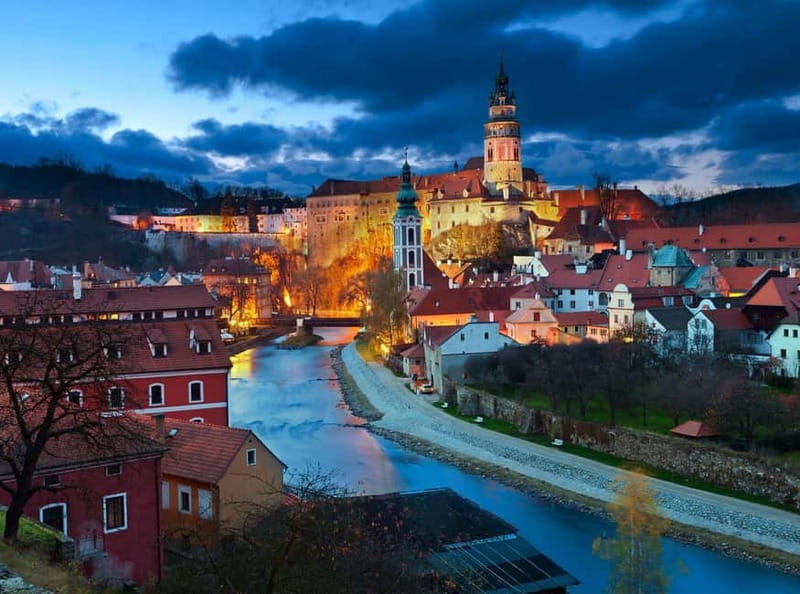
The final major stop is Drvengrad, also known as Mećavnik. This wooden village was created for filmmaker Emir Kusturica and is associated with his films and artistic projects.
The village has a carefully designed, rustic appearance, with wooden buildings and a strong sense of being made for the camera. You get around 30 minutes for a guided visit, sightseeing, a break, and photographs.
I would approach Drvengrad as a film and cultural site, not as a typical Serbian village. That expectation makes a difference. It is visually distinctive, but its meaning may be less obvious if you do not know Kusturica’s work. One guide can explain the connections well, while another may give a briefer overview.
The entrance fee is €3 per person and is not included. There is no practical alternative activity listed for anyone who chooses not to enter, so budget for it if you want to stay with the group. This is one of the tour’s small costs that would be easier if folded into the main price, especially since the stop is a central part of the route.
Drvengrad works well as the final stop because it is lighter and more visual than Višegrad. After a day of Ottoman history, literature, religion, and border politics, the wooden village offers a change of mood before the return drive.
What the $84 price really covers
At $84 per person, the price is fair for a 12-hour small-group trip that includes hotel pickup and drop-off, an English-speaking guide, modern air-conditioned transport, bottled water, and luggage storage.
The group limit of seven is especially valuable. You get a better chance to ask questions, hear the guide, and stop without the slow loading process of a large coach. It also makes the long vehicle sections more comfortable, though the ride can still feel tiring.
The headline price does not tell the whole story. Add about €10 for the Šargan train, €3 for Drvengrad, and extra money for lunch and drinks. In total, you should think of this as an $84 tour plus roughly €13 in required or strongly recommended admission costs, subject to the train’s availability and exchange rates.
That remains good value if you want to visit all four main places in one day. Hiring private transport across the border would cost much more, and public transport would make this combination difficult to arrange. The value is weaker if you dislike long drives or prefer spending several hours at one site.
The tour includes luggage storage, which can help if you are changing accommodation in Sarajevo or carrying bags during the day. Wheelchair access is listed, but the historic bridge, train facilities, monastery grounds, and constructed cultural sites may have different surfaces and access conditions. Ask the operator for details if you need a specific level of assistance.
Timing, border checks, and comfort
This is a 12-hour outing, and you should take that literally. You may leave Sarajevo early and return in the evening, with much of the day divided between driving and short visits.
A passport is required. Everyone must pass border security when entering Serbia, so keep your passport accessible rather than packed at the bottom of your bag. Border delays are possible, and they can affect the exact time available at later stops.
Wear practical shoes. You will walk across the bridge, move around Andrićgrad and Drvengrad, and may spend time near railway platforms and outdoor sites. Bring water even though one bottle is provided, and carry Serbian currency or a card for the train and personal purchases.
The vehicle is generally described as clean, comfortable, and modern. One participant reported a noisy ride caused by squeaky suspension, so comfort may depend on the particular vehicle. This is a useful reminder that a mountain-road day can be less polished than the advertising photographs suggest.
The guides receive the strongest praise. Specific names vary by departure, but the recurring qualities are punctuality, humor, careful driving, patience, and a willingness to explain sensitive subjects. One guide also adjusted the schedule to allow time for prayer, showing that personal needs can sometimes be accommodated when you communicate them clearly.
Who should take this day trip?
I would recommend this tour if you are based in Sarajevo and want to see a less familiar part of Bosnia and Herzegovina, with a first taste of western Serbia added in. It is particularly good for you if bridges, railways, literature, religious buildings, and 20th-century Balkan history all sound worthwhile.
It also suits people who would rather not drive across the border themselves. You can watch the scenery, ask questions, and let someone else handle the route and border approach.
I would hesitate if you have only a very short stay in Sarajevo and have not yet visited the city itself. I would also think twice if you found the Mostar day trip tiring, since this excursion is longer and includes more time in the vehicle.
The experience works best with the right expectations. You are not getting a full tour of Serbia, nor a deep visit to every site. You are getting a carefully packed day that connects several unusual places and gives you a useful introduction to the history and geography between Sarajevo and Mokra Gora.
Should you book this Sarajevo to Serbia tour?
Book it if you want variety, strong guiding, and a full day outside Sarajevo. Višegrad’s bridge alone is worth serious consideration, while the Šargan Eight adds an activity you will not find on a standard Bosnia day trip. Andrićgrad, Dobrun Monastery, and Drvengrad make the route feel varied rather than repetitive.
Before paying, confirm the train schedule, check the expected border conditions, and budget for the €3 Drvengrad entrance, train fare, and meals. If you can handle a long ride and prefer meaningful context over a leisurely pace, this is a very good use of one day.
FAQ
How long is the tour from Sarajevo?
The tour lasts approximately 12 hours, including the drive, border crossing, guided stops, train visit, and return to Sarajevo.
Is hotel pickup included?
Yes. Hotel pickup and drop-off in Sarajevo are included. You should wait in the hotel lobby about 10 minutes before the scheduled pickup time.
Do I need a passport?
Yes. A passport is required because the tour crosses the border between Bosnia and Herzegovina and Serbia. All participants must pass border security.
Is the Šargan Eight train included in the price?
No. The train costs 1,200 Serbian dinars, or about €10 per person. You can pay by card or cash, and the ride is subject to seasonal availability.
Is the entrance to Drvengrad included?
No. Entrance to Drvengrad costs €3 per person and is paid separately.
Are food and drinks included?
No. Food and drinks are not included. You should bring money for lunch, drinks, and other personal expenses.
What size is the tour group?
The tour is limited to seven participants and uses a modern air-conditioned car or minivan.
Is the tour available in English?
Yes. The tour includes a live English-speaking guide.
Just added in Serbia
- Zlatibor tour – Gold gondola, Stopic cave, Sirogojno & falls★ 5.0 · 3 reviews
- Treasures of Eastern Serbia shared tour★ 5.0 · 3 reviews
- Your Own Belgrade: Street Art and Hidden Gems Walking Tour★ 5.0 · 2 reviews
- Stara Plana Day Tour★ 5.0 · 4 reviews
- Private Guided Truffle Hunting Tour in Serbia with Lunch★ 5.0 · 3 reviews
- Private Half Day Serbia Tour Novi Sad and Petrovaradin Fortress★ 5.0 · 3 reviews
- 3-Hour Belgrade Zemun Neighborhood Tour★ 5.0 · 8 reviews
- Private Belgrade Street Art and Adventures Walking Tour★ 5.0 · 4 reviews
Drina River & Tara Tours, compared.
Best of West (Drina House, Drvengrad and Sargan 8)
Read our review →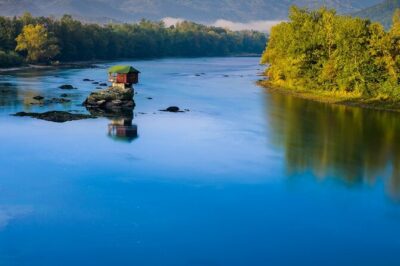
Šargan Eight Railway, Wooden Town & House on Drina river day trip from Belgrade
Read our review →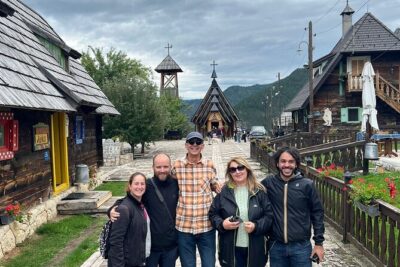
Best of West (Drina House, Drvengrad & Sargan 8)
Read our review →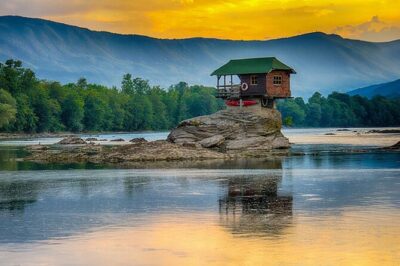
Full-Day Trip from Belgrade: Tara National Park & The Drina River Valley
Read our review →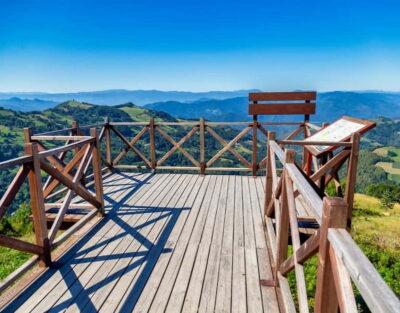
West of Belgrade: Woodentown, Šargan 8 train & Drina River
Read our review →
Browse the lists this tour appears in