
Reviewed · IRON GATES & DANUBE TOURS
Danube fortresses and Roman archeological park
Two fortresses, one Roman city, one big Danube day. This 9-hour trip links Serbia’s most important riverside strongholds with Viminacium, a Roman archaeological park that adds real depth to the day. I like the small group of no more than seven people, and I like that transportation, an English-speaking guide, and attraction entrances are included. The main drawback is the length: you spend many hours on the road, with a long return to Belgrade after a full schedule.
The route works best if you want a broad introduction to Serbia’s medieval and Roman past in one outing. You will see major sites that are difficult to combine by public transport, but this is not a slow, leisurely fortress day. Bring comfortable shoes, water, and patience for a busy program.
In This Review
- Key points to know before you go
- Why this Danube day trip is worth your time
- Smederevo Fortress and Serbia’s short-lived capital
- Viminacium, where Roman Serbia comes into focus
- Golubac Fortress at the mouth of the Iron Gates
- What the small group and transport mean
- Is $223 a fair price?
- Who should book this experience?
- Should you book the Danube fortresses tour?
- FAQ
- Where does the tour begin?
- How long does the experience last?
- What language is the tour conducted in?
- How many people can join the group?
- Is transportation included?
- Are entrance fees included?
- Which fortress is visited first?
- How much time is spent at Viminacium?
- How much time is allowed at Golubac Fortress and Golubac?
- Can I cancel for a full refund?
Key points to know before you go
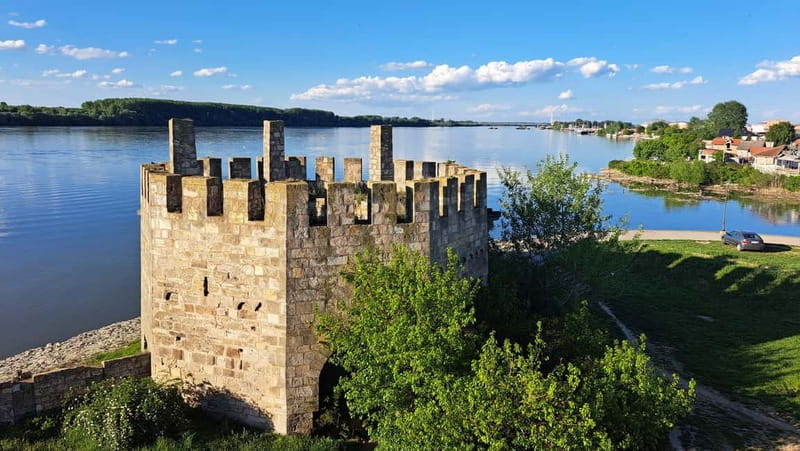
- Smederevo Fortress was built in the 15th century when Smederevo became Serbia’s capital.
- Viminacium was once the capital of the Roman province of Moesia Superior.
- Golubac Fortress guards the point where the wide Danube enters the narrow Djerdap Gorge.
- A mammoth skeleton found 27 meters below ground is part of Viminacium’s paleontological park.
- The small group size is limited to seven participants, making the long day easier to manage.
- The $223 price covers transport, an English-speaking guide, and entrance fees to the listed attractions.
Why this Danube day trip is worth your time
Serbia’s major sights are spread out, and the best-known fortresses along the Danube are not simple stops from central Belgrade. This excursion solves that problem in one day. You are picked up in front of your apartment or hotel, then taken east toward Smederevo, Viminacium, and Golubac.
I like the way the day moves through three different periods. Smederevo introduces the medieval Serbian state. Viminacium shifts the focus to Roman rule and archaeology. Golubac brings you back to the medieval Danube, where military power was tied directly to river traffic.
That variety is the strongest reason to book. You are not seeing three versions of the same castle. You are moving from a capital fortress, to a Roman provincial center, to a fortified gateway at the entrance to the Iron Gates.
The tradeoff is clear. Nine hours is a long time, and the route includes several drives of about an hour or more. If you prefer to spend half a day at one site, this pace may feel hurried. If you want to cover a lot of ground without arranging a car, the schedule makes good sense.
Other runs down the Danube gorge:
- From Belgrade: Golubac Fortress and Iron Gate Gorge Tour
★ 4.8 · 271 reviews - From Belgrade: Golubac Fortress & Iron Gate Danube Gorge
★ 4.8 · 185 reviews - Along the Danube: Golubac Fortress & Iron Gate Gorge day trip from Belgrade
★ 4.5 · 185 reviews
Smederevo Fortress and Serbia’s short-lived capital
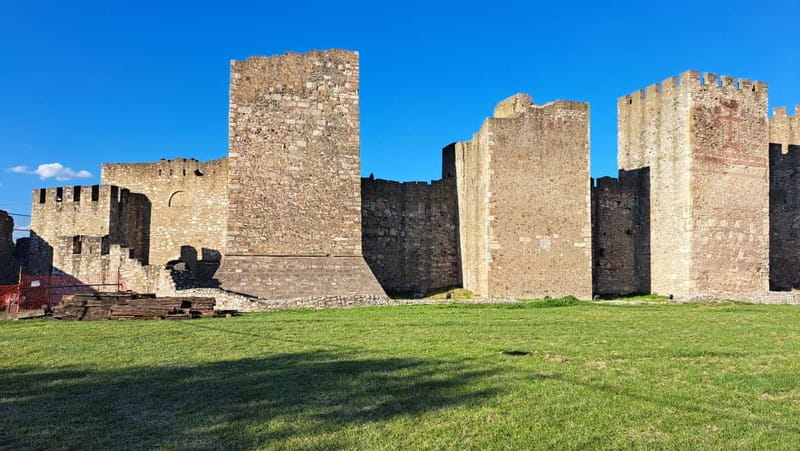
The first major stop is Smederevo Fortress, about an hour from Belgrade by bus or coach. The fortress was built in the 15th century after Smederevo became the capital of Serbia.
Its position is easy to understand once you arrive. The fortress was placed where the Jezava River meets the Danube, giving it a strong defensive setting and access to an important water route. Despot Djuradj Brankovic ordered its construction, and the work was completed in a remarkably short period for such a large stronghold.
You have about 45 minutes here for a guided visit and photographs. That is enough to get a clear sense of the fortress and hear its basic story, but it is not a long independent exploration. I would pay close attention to the guide at this stop, since the context about the capital, the despot, and the fortress design gives the walls more meaning than photographs alone.
Smederevo is described as Serbia’s biggest lowland fortress. That detail matters. Unlike a hilltop castle that relies on steep slopes, this stronghold had to make careful use of walls, towers, water, and its river position.
The short visit is also the first sign of the day’s pace. You will see the site, understand why it mattered, and move on. This is useful for a first look at Serbian history, but less suitable if you want time for every corner and viewpoint.
Viminacium, where Roman Serbia comes into focus
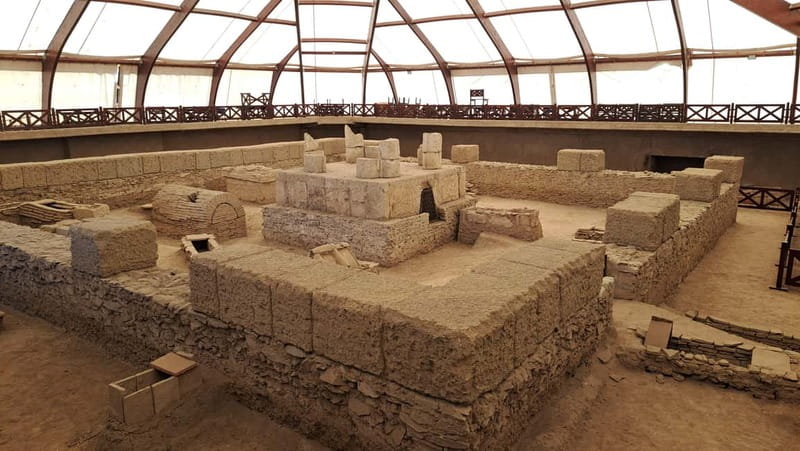
After another hour on the road, the tour reaches Viminacium archaeological park. You have about an hour and a half for a guided visit, walking, sightseeing, and photographs.
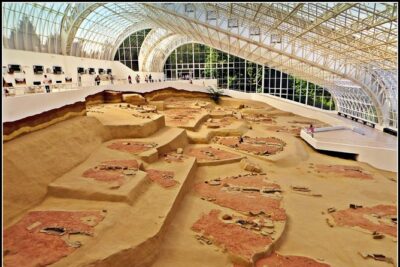
Viminacium was once the capital of the Roman province of Moesia Superior. That makes it a key stop for understanding how Rome governed this part of the Balkans. The site is more than a collection of old stones. It connects Serbia to the wider Roman world and shows that this region was part of a major imperial system.
One striking feature is the bust of Constantine the Great. The park also presents 17 other Roman emperors born in Serbia. That is an unusually strong link between the country and the Roman imperial story, and it gives the visit a clear focus.
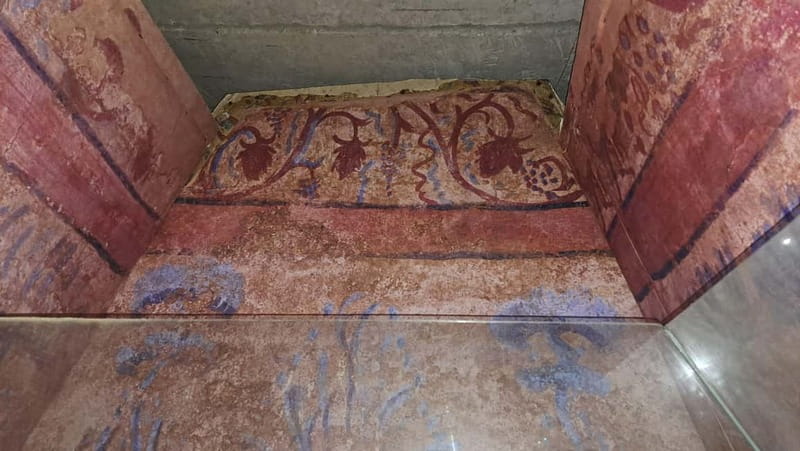
The mosaic-decorated floor is another highlight. It offers a close look at the artistic side of Roman life, not just its military and political power. I find this kind of detail especially useful because it helps you picture the people who lived in the settlement, rather than thinking only about emperors and armies.
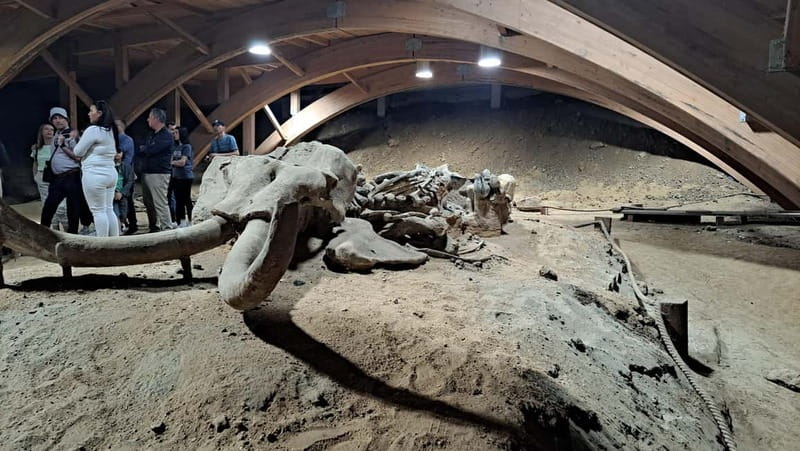
Viminacium also includes a paleontological park. Its mammoth skeleton was found 27 meters below ground and is said to be one million years old. This is a sharp change from the Roman material nearby, but it gives the stop extra appeal. You are looking at a much older chapter of the region’s past, long before Rome appeared.
The 90-minute visit should give you time to cover the main sights with the guide. Still, keep your expectations sensible. An archaeological park of this importance could easily fill several hours for someone who wants to study every display. On this day, Viminacium is one part of a larger story.
Golubac Fortress at the mouth of the Iron Gates
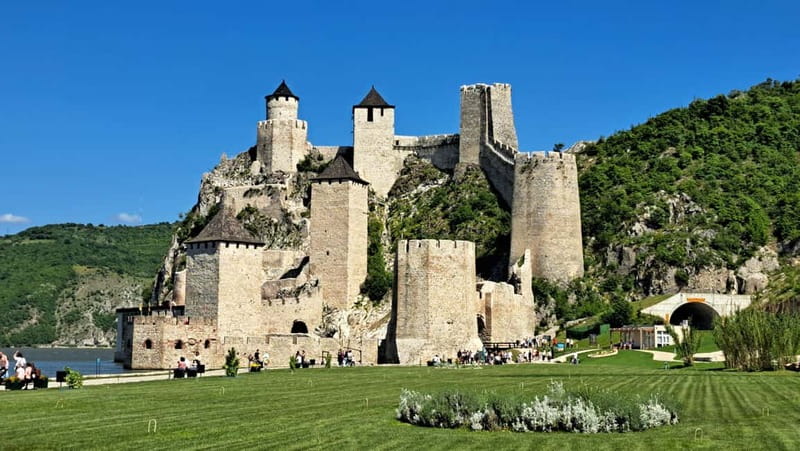
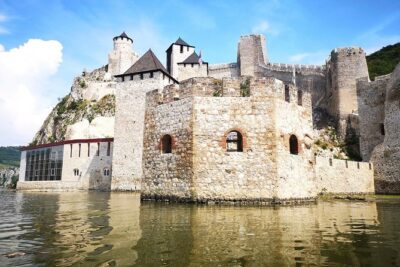
The drive to Golubac takes about 75 minutes. This is the visual high point of the trip, with the fortress built on rock beside one of the Danube’s most dramatic passages.
Golubac dates from the 14th century and changed hands among Hungarians, Serbs, Turks, and Austrians. Its history reflects the importance of the Danube as a route for trade, armies, and political control.
The setting explains the fortress better than any simple date can. At this point, the Danube is about six kilometers wide before it enters the narrow passage of the Djerdap Gorge. A stronghold here could monitor river movement and control navigation into the gorge.
The fortress’s heavy walls and strategic position made it extremely difficult to take. The description of the site notes that it was never overrun, a claim that underlines how well its location worked as a defense. You can see why the builders chose rock beside the river instead of a more convenient but less powerful site.
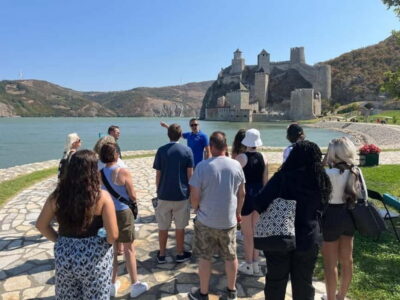
You have about two hours for a guided visit, photographs, sightseeing, and walking, followed by about 90 minutes of free time in Golubac. That is more generous than the stop at Smederevo and gives you a better chance to enjoy the setting without rushing every moment.
I would use the guided portion to understand the fortress’s changing rulers and military role, then use the free time for your own photographs and a pause. The Danube setting is the sort of place that rewards a little quiet time. After two historic sites and a Roman park, you may also appreciate the chance to stop thinking about dates for a while.
The exact experience inside a fortress can depend on the route used during the visit, and the supplied details do not specify which towers or interior areas are included. The reliable expectation is a guided visit, walking, sightseeing, and free time in Golubac.
A couple more Belgrade trips to weigh up
- From Belgrade: Novi Sad & Sremski Karlovci Full-Day Tour
★ 4.7 · 1,068 reviews - From Belgrade: Gems of Eastern Serbia Tour
★ 5.0 · 427 reviews - Northern Serbia: Sremski Karlovci and Novi Sad Full-Day Tour from Belgrade
★ 5.0 · 425 reviews - Day Trip from Belgrade: Gems of Eastern Serbia
★ 5.0 · 424 reviews
What the small group and transport mean
The group is limited to seven participants. That is a useful size for a day with several guided stops. You are less likely to feel lost in a large crowd, and it should be easier to hear the English-speaking guide and ask a question when something catches your interest.
Pickup is included from in front of your apartment or hotel in Belgrade. This saves you from finding a meeting point before sunrise or arranging a separate transfer across the city. The tour then handles the driving between sites, which is the biggest practical benefit.
The listed road sections include about an hour to Smederevo, another hour to Viminacium, 75 minutes to Golubac, and a 2.5-hour return to Belgrade. Those drives add up. I would not book this expecting a relaxed day with long meals and unplanned wandering.
At the same time, driving is what makes the route possible. Smederevo, Viminacium, and Golubac are not presented as three easy walks from one central base. With transport included, you can focus on the sites instead of maps, connections, and regional roads.
Is $223 a fair price?
At $223 per person, this is not a budget outing. The price makes more sense when you consider what is bundled: pickup in Belgrade, transportation for the full route, an English-speaking guide, and entrance to the attractions named in the program.
A private car and guide could cost more, especially for one or two people. A large coach trip might lower the price, but it would not offer the same small-group setting. The limit of seven gives this experience a more personal feel without making it a fully private tour.
The value depends on your priorities. If you mainly want a cheap ride to one fortress, the price will seem high. If you want to connect three major historical locations in a single day, avoid driving yourself, and have the entry fees handled, the cost is easier to justify.
The tour also offers free cancellation up to 24 hours in advance and a reserve-now, pay-later option. Those terms are useful when your Belgrade schedule is still shifting, though the main decision should remain the pace and content of the day.
Who should book this experience?
I would recommend it to first-time visitors to Serbia who want a strong overview beyond Belgrade. It suits people interested in Roman archaeology, medieval fortifications, military history, and the Danube.
It is also a good match for anyone who does not want to rent a car. The route covers a lot of ground, and the included pickup and transport remove much of the practical work.
Families with older children may find the mix of fortresses, emperors, mosaics, and a mammoth skeleton appealing. The variety helps keep the day from feeling like one long lesson in stone walls.
I would think twice if you dislike long drives, need a slow pace, or want several hours at each site. The program is full, and the return to Belgrade takes about 2.5 hours. Comfortable shoes are a sensible choice because the stops include walking and sightseeing, but the supplied details do not specify the exact walking conditions at each attraction.
The available rating is 5 out of 5, with a verified booking from Batyr in Kazakhstan dated January 3, 2026. The short feedback was entirely positive, but it offers no detail about the guide, vehicle, or specific site conditions. I would treat the score as encouraging rather than as a substitute for matching the tour to your preferred pace.
Should you book the Danube fortresses tour?
Book it if you want three major historical stops, a small group, and an easy way to reach sites outside Belgrade. Smederevo gives you Serbia’s medieval capital, Viminacium supplies the Roman and paleontological surprises, and Golubac delivers the strongest river setting.
Skip it if you want a quiet, unhurried day or if the price feels too high for a full-day drive. For the right person, the real value is not one attraction alone. It is the chance to see how Roman power, medieval Serbia, and Danube strategy fit together in one carefully packed day.
FAQ
Where does the tour begin?
Pickup is included from in front of your apartment or hotel in Belgrade.
How long does the experience last?
The stated duration is 9 hours, including transportation and visits to the three main sites.
What language is the tour conducted in?
The live tour guide provides the experience in English.
How many people can join the group?
The group is limited to seven participants.
Is transportation included?
Yes. Transportation by bus or coach is included for the route from Belgrade and between the attractions.
Are entrance fees included?
Yes. Entrance to the attractions mentioned in the description is included.
Which fortress is visited first?
The route begins with Smederevo Fortress, after the drive from Belgrade.
How much time is spent at Viminacium?
The planned visit to Viminacium lasts about 1.5 hours and includes a guided visit, walking, sightseeing, and photographs.
How much time is allowed at Golubac Fortress and Golubac?
The program includes about two hours at Golubac Fortress, followed by about 1.5 hours of free time in Golubac.
Can I cancel for a full refund?
Yes. You can cancel up to 24 hours in advance for a full refund.
Just added in Belgrade
- Your Own Belgrade: Street Art and Hidden Gems Walking Tour★ 5.0 · 2 reviews
- Private Half Day Serbia Tour Novi Sad and Petrovaradin Fortress★ 5.0 · 3 reviews
- 3-Hour Belgrade Zemun Neighborhood Tour★ 5.0 · 8 reviews
- Private Belgrade Street Art and Adventures Walking Tour★ 5.0 · 4 reviews
- Private Wine Tasting by Party in Belgrade★ 5.0 · 3 reviews
- From Belgrade:Uvac Nature Reserve Tour★ 5.0 · 4 reviews
- Urban & Alternative Belgrade tour★ 5.0 · 4 reviews
- VIP Reservation Service in Belgrade★ 5.0 · 2 reviews
Iron Gates & Danube Tours, compared.
Along the Danube: Golubac Fortress & Iron Gate Gorge day trip from Belgrade
Read our review →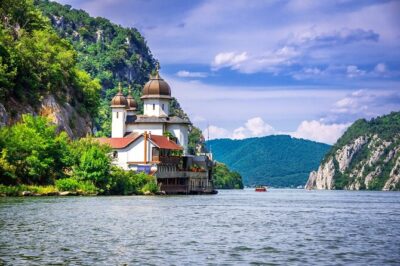
Iron Gate NP Tour with 1-hour speedboat ride + 2 viewpoints
Read our review →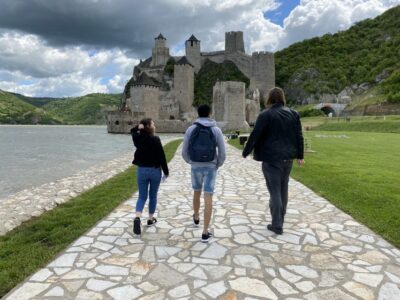
Iron Gate Park, Speedboat Ride, and 2 Viewpoints
Read our review →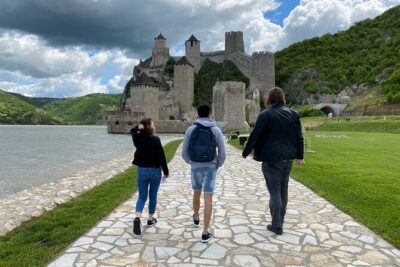
Golubac Fortress w/Iron Gate Speed Boat & Rakija Distillery tour
Read our review →
Iron Gate Tour: Golubac Fortress, Lepenski Vir+National Park
Read our review →Browse the lists this tour appears in